The word breadcrumbs often brings to mind the Hansel and Gretel story, where small clues were left behind to find the way back home. In the digital space, breadcrumbs work in a very similar way.
In SEO and website usability, breadcrumbs are a simple navigation trail that usually appears at the top of a page. They show users exactly where they are within a website and how the page fits into the overall structure.
For visitors, breadcrumbs make it easier to understand the site hierarchy, go back to previous sections, and move smoothly to higher-level pages without confusion.
From an SEO perspective, they also help search engines better understand how different pages are connected and how the content is organised across the site.
Types of Breadcrumbs in SEO
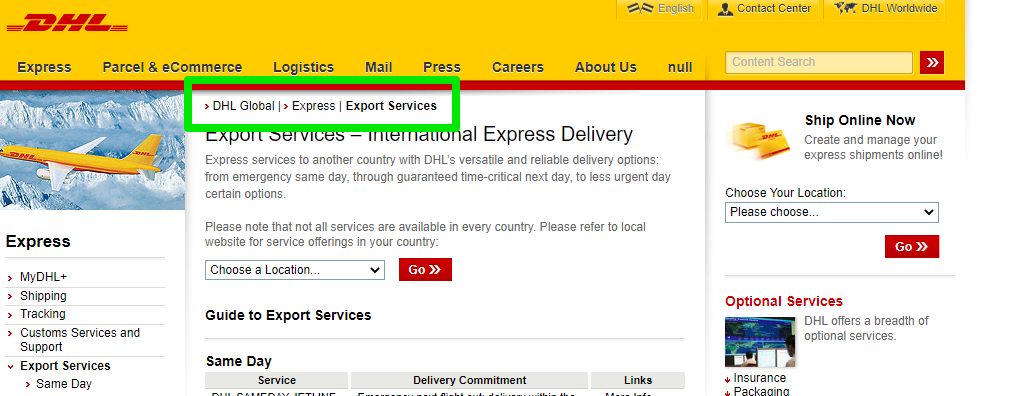
Each type of breadcrumbs serves different purposes depending on the structure of the website. Choosing the right type helps you move around easily and also helps search engines understand your pages better.
- Hierarchy-Based Breadcrumbs
Hierarchy-based breadcrumbs show where a page sits within the website structure. It starts from the homepage and goes step by step through categories to the current page. This is the most common and most SEO friendly breadcrumb type.
For Example:
- Home > Travel > Destinations > Europe > France > Paris
- Home > Men’s Fashion > Footwear > Sneakers > Running Shoes
- Attribute-Based Breadcrumbs
Attribute-based breadcrumbs show the filters a user has selected. This can include size, colour, brand, price range, or similar attributes. They are common on e-commerce and directory sites. Generally, they work alongside hierarchy-based breadcrumbs.
For Instance:
- Fashion Retail
- Home > Women > Footwear > Sneakers > Running > Size 7
- Home > Men > Shoes > Formal Shoes > Leather > Brown
- Marketplace Filters
- Home > Electronics > Mobiles > Brand Samsung > Price 300 to 500
- Home > Home Decor > Lighting > Lamps > Style Modern
- Path-Based Breadcrumbs
Path-based breadcrumbs show the exact route a user followed to reach a page. They reflect browsing history, not site structure. These breadcrumbs do not help SEO because they send mixed signals to search engines. Since every path is different, they fail to explain site structure.
For Example:
- Home > Electronics > Tablets > Android Tablets > Samsung Galaxy Tab > Accessories
- Home > Electronics > Laptops > MacBooks > Apple MacBook Pro > Accessories
Let us express your company’s vision with authoritative articles. We create content to attract your ideal customers. Start your article writing journey with us today just by contacting us.
- Forward Breadcrumbs
Forward breadcrumbs show progress through a fixed sequence. They are common in forms, checkouts, and step-by-step processes. Forward breadcrumbs lower mental effort. Users feel more confident when they see clear progress. Though they do not directly improve rankings, they create better user behaviour.
Here are some helpful tips to improve your website ranking on SERP.
For Instance:
- Account Setup Flow
- Step 1 Personal Details > Step 2 Email Verification > Step 3 Security Setup > Step 4 Profile Complete
- Subscription Signup Flow
- Step 1 Plan Selection > Step 2 Account Details > Step 3 Payment Information > Step 4 Activation
What are the Key Impacts of Breadcrumbs in SEO?
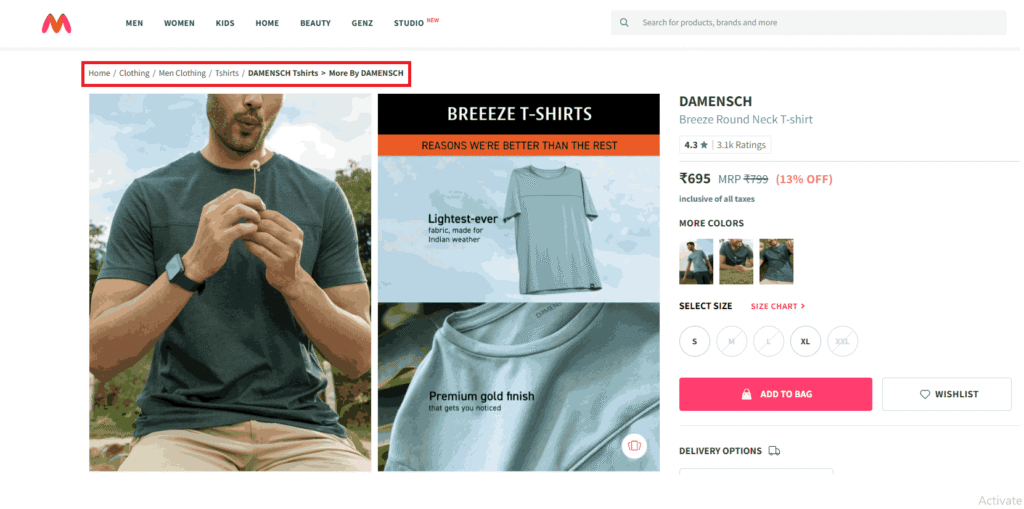
Breadcrumbs help search engines understand site structure and help users move confidently through a website. Here are the key impacts on SEO as per modern user behaviour:
a. Impact on Google –
Google’s use of breadcrumbs changed in 2026, but its SEO value is still there. On desktop search results, Google replaces long URLs with clear breadcrumb paths to improve readability and user understanding.
In January 2025, Google removed breadcrumbs from mobile SERPs, which now show only the domain name. However, on-page breadcrumbs remain vital for mobile navigation.
Breadcrumbs help Google understand site structure, especially when brands use them with the BreadcrumbList schema.
While they do not directly improve rankings, they significantly impact click-through rates, which Google tracks through user behaviour signals.
At Das Writing Services, we deliver SEO-optimised blog content that ranks, drives traffic, and converts readers into customers. From strategy to writing and delivery, we handle everything. Contact us now.
b. Reduced Bounce Rate –
Breadcrumbs help reduce bounce rates by giving users clear orientation and navigation options, especially when they land on inner pages from search.
By showing where a page fits within the site and offering quick access to parent categories, breadcrumbs encourage exploration rather than exits.
In 2025, studies shows that e-commerce bounce rates average 30%-45%, with a median of about 45% across industries.
Mobile performance lags, as around 65% of mobile sites still lack breadcrumbs, and many show incomplete paths.
When breadcrumbs are visible and logical, users browse deeper. They visit category pages instead of returning to Google.
c. Size –
Breadcrumbs are compact navigation elements that generally appear in one or two lines at the top of a page. It uses simple separators and clean typography for quick scanning.
On desktops, full breadcrumb paths display the complete site hierarchy without clutter. Mobile requires more thoughtful design due to limited space.
Best practices include showing only the parent category or using horizontal scrolling for longer paths, which supports natural swipe gestures.
Touch-friendly spacing is essential to avoid mis-taps. Only 35% of mobile e-commerce sites show full breadcrumb hierarchies, which can limit navigation if menus are hidden.
d. User experience –
Breadcrumbs reduce navigation friction by giving users an easy way to move to broader categories or explore alternatives without feeling stuck.
This directly improves engagement metrics such as lower bounce rates, longer time on site, and higher interaction levels.
These behaviours align with signals Google tracks through Navboost, where longer dwell time and fewer returns to search indicate strong intent satisfaction.
Improved engagement also supports higher conversions, as users who explore more content build trust and confidence.
Real-world data shows retailers enhancing breadcrumbs alongside page speed experienced longer sessions, deeper browsing, and measurable increases in conversion performance.
Trying content marketing? These are some helpful tips to optimise the content experience for your target audience.
e. Impact on Search Results Through Breadcrumb Schema
Breadcrumbs deliver the most SEO value when they are supported by structured data. Using the BreadcrumbList schema in JSON-LD format helps Google clearly understand your site hierarchy.
This structured setup allows Google to display breadcrumb paths in desktop search results instead of plain URLs.
These enhanced listings give users better context, so they know what the page contains before clicking. As a result, click-through rates often improve because the result feels clearer and more trustworthy.
Breadcrumb schema also helps Google crawl and index pages more efficiently by reinforcing topical relationships. It also prepares your site for AI-driven search, where structured context matters more.
Summing It Up
In 2026, Breadcrumbs are no longer just a small usability feature. Over time, they have become a practical SEO tool that brings together site structure, ease of use, and user behaviour in one simple element.
If brands design them carefully, use proper markup, and show across devices, breadcrumbs gently guide both users and search engines to the right pages at the right level.
For modern websites like large content sites and e-commerce platforms, breadcrumbs act as a clear structural signal that helps search engines crawl pages more effectively.
Get more tips to improve your e-commerce content from our detailed blog.
Finally, it improves internal linking and increases click-through rates on desktop search results.
This also prevents users from feeling lost, encourages exploration, and helps in more conversions.

Subhodip Das is the founder and CEO of Das Writing Services Pvt. Ltd. He has an experience of 12 years in the field of Digital Marketing and specialises in Content Writing and Marketing Strategies. He has worked with well-established organisations and startups helping them achieve increased Search Engine Rank visibility. If you want to grow your business online, you can reach out to him here.
Leave a comment