In 2025, content alone is not enough – It is the experience around it that drives clicks, conversions, and customer loyalty. As consumer journeys grow more complex, thanks to SERP features like AI mode and AI overview – just creating content is not enough to drive traffic.
Each piece needs to be mindful of how users consume and interact with content across platforms. Organic SERP engagement is still dominating at 64%, compared to 61% for SERP features engagement. Maintaining an intuitive and skimmable content experience for the user works in your favour, driving visibility and engagement.
This blog will explore the key components, strategies, benefits, and frameworks needed to optimize your content experience in 2025.
Want to create a user experience that hooks people in? Reach out to know how we have done it for our clients like Acko, ClearTax etc.

What is Content Experience?
It refers to how users consume and engage with digital content across platforms. Optimizing content experience combines content creation, design, structure, personalization, and UX to deliver a fluid, value-driven journey that aligns with user intent.
Unlike basic content marketing, which focuses on distribution, content experience focuses on delivery and user interaction.
It bridges the gap between content and the digital environment it lives in. It ensures compliance, personalization, and contextual alignment.
For instance, Spotify not only streams music, but it also offers personalized playlists, interactive podcasts, and dynamic recommendations based on user behaviour, creating a fully immersive experience.
Unlike traditional content marketing, which focuses on what to say to engage users, content experience optimizes how to say it to maintain users.
5 Key Metrics to Measure your Content Experience
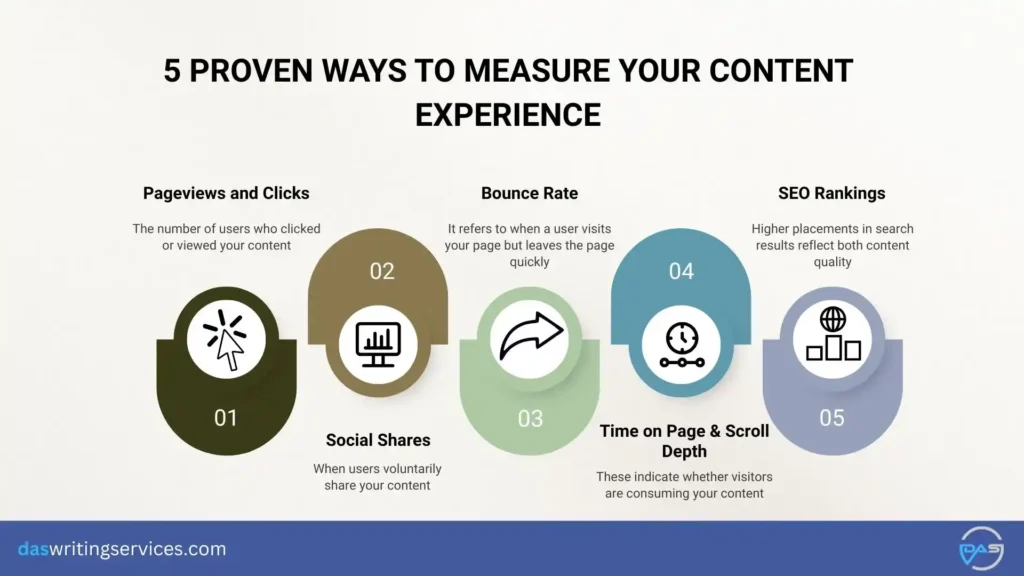
To understand if your efforts are working, you need to evaluate both performance metrics and user behavior insights that reflect real engagement. Here are some important metrics that can help you evaluate your strategy:
- Pageviews and Clicks: The number of users who clicked or viewed your content. Increased impressions suggest better visibility and discoverability, often a result of improved SEO and content layout.
- Social Shares: When users voluntarily share your content, it indicates that the topic resonates and the experience is compelling.
- Bounce Rate: It refers to when a user visits your page but leaves the page quickly. A drop in bounce rate often signals that users are finding what they expect, thanks to better headlines, CTAs, and internal linking.
- Time on Page & Scroll Depth: These indicate whether visitors are consuming your content, not just landing on it.
- SEO Rankings: Higher placements in search results reflect both content quality and a well-structured digital content experience.
By blending behavioral analytics with direct feedback through surveys, heatmaps, or user testing, you gain a complete picture of how your customer experience is performing and, more importantly, where it needs to improve.
5 Key Components of Content Experience
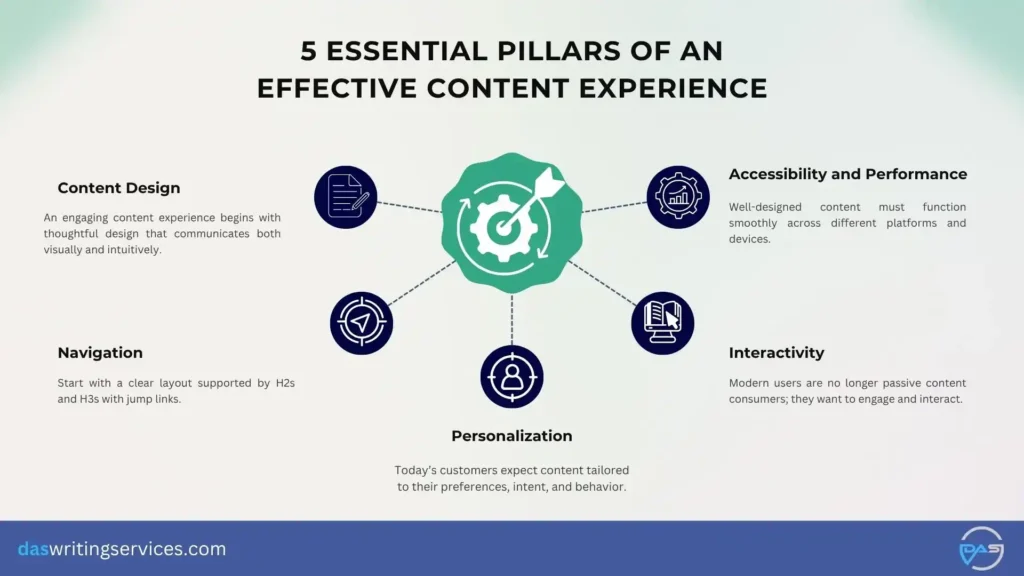
An optimized content experience needs the foundational components of content marketing. It needs an ecosystem where design, structure, interactivity, personalization, and performance work in harmony.
Here are all you need to look out for to offer a seamless experience:
1. Content Design
An engaging content experience begins with thoughtful design that communicates both visually and intuitively. Studies show that nearly 38% of users will leave a website if it does not have clean typography, well-structured headings, and strategic use of white space. It reflects the direct link between aesthetic value and user engagement.
The use of visuals such as infographics, illustrations, or supporting graphics enhances storytelling and helps in retention.
2. Navigation
Start with a clear layout supported by H2s and H3s with jump links. Create internal links to other relevant pages, and logical categorization with breadcrumbs allows visitors to navigate without confusion. Consistent navigation patterns reduce friction and enhance the overall experience of a user.
3. Personalization
Today’s customers expect content tailored to their preferences, intent, and behavior. According to Epsilon, 80% of consumers are more likely to purchase from brands that offer personalized experiences to them. Leveraging user data allows businesses to dynamically adapt messaging, suggest relevant product/services at appropriate time, and create real-time experiences that feel highly contextual.
4. Interactivity
Modern users are no longer passive content consumers; they want to engage and interact. This can include reels, infographics, polls, or quizzes. This enhances the user’s time spent on the site. Studies show that interactive content sees over 52.6% more engagement and can generate conversions 70% of the time compared to static formats.
5. Accessibility and Performance
Well-designed content must function smoothly across different platforms and devices. Performance, particularly page load speed, responsiveness, and multi-device experience, remains a critical factor to retain user attention. Google data reveals that 53% of mobile users will abandon a page that takes longer than 3 seconds to load.
Content Experience Framework
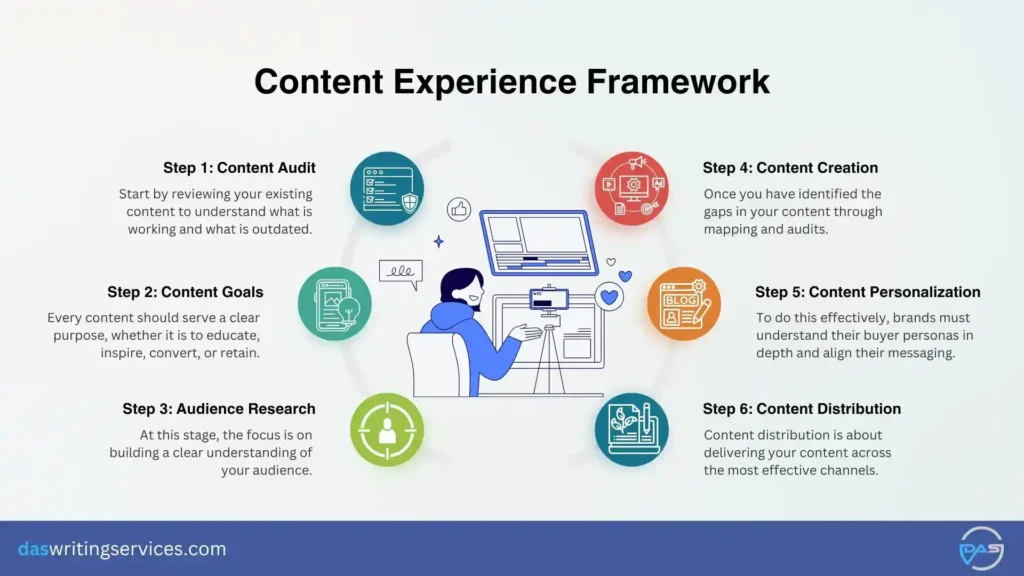
A modern framework provides a structured, repeatable process that ensures your content not only reaches the right audience but also resonates with them across their digital journey.
Here is a six-step framework brands can use to build a robust and personalized digital content experience for their audience:
Step 1: Content Audit
Start by reviewing your existing content to understand what is working and what is outdated. This includes evaluating content for relevance, performance metrics, SEO, and user experience. The audit also helps identify which content can be repurposed or adapted for different buyer personas and journey stages, aligning content with current content marketing trends and business objectives.
Step 2: Content Goals
Every content should serve a clear purpose, whether it is to educate, inspire, convert, or retain. Establishing specific goals for each content connects performance with measurable business outcomes.
- Match each content to a funnel stage and goal
- Link content KPIs to business metrics
- Avoid content production without defined outcomes
With clear content marketing goals, every piece of content becomes a tool for growth and user engagement.
Step 3: Audience Research
At this stage, the focus is on building a clear understanding of your audience. It includes:
- Who is the audience
- What types of content they care about
- Their interests in content
- How they engage with content at different points in their journey.
This research is critical to crafting a personalized content experience for your audience at every stage of the buying process. The objective is to anticipate how they will interact with content across different channels.
Step 4: Content Creation
Once you have identified the gaps in your content through mapping and audits, the next step is to fill those gaps with purposeful, strategically crafted content. To get this right, each new content piece should be developed with scalability and flexibility in mind.
- Choose the most relevant format.
- Structure content to address specific user intent
- Plan internal linking to connect related content
Without these assets in place, your content experience strategy will always fall short of engaging users throughout their journey.
Explore our blog content to fill your content gaps with well-researched, high-performing content.

Step 5: Content Personalization
To do this effectively, brands must understand their buyer personas in depth and align their messaging to their specific pain points. By surfacing relevant, helpful content at the right time, businesses can not only capture attention but also nurture trust and long-term engagement.
Personalized content creates value by showing your audience that you understand and care about their journey.
Step 6: Content Distribution
Content distribution is about delivering your content across the most effective channels. This can include targeted emails, timely SMS campaigns, or platform-specific posts, depending on your strategy.
- Schedule content delivery based on user behavior and campaign goals
- Distribute across multiple platforms
- Use location, timing, and segmentation for hyper-targeted messaging
Strategic distribution ensures your audience sees the right content exactly when they need it.
5 Benefits of a Well-Structured Content Experience
1. Higher User Engagement
Delivering an interactive content experience encourages users to stay longer and keeps them engaged with a site. According to Gitnux, interactive content can boost a website’s average session time by up to 30%.
2. Better SEO and Discoverability
A strong content experience can boost SEO and improve website rankings, which makes it easier for potential customers to discover your brand. With organic search accounting for 53% of all site traffic, this visibility is crucial.
3. Increased Conversions
Strategic CTAs and personalized content guide users to take some action. Brands that implement well-crafted content experiences have seen up to 202% higher conversions.
4. Stronger Brand Trust
A polished, user-focused content reflects brand credibility. Since 81% of consumers consider brand trust if they are going to actually buy from them, this boosts loyalty and perception.
5. Customer Retention
Delivering the right content at the right time keeps customers engaged. It reduces churn and strengthens loyalty. When your content meets their needs, they are more likely to return and recommend your brand to others.
6 Examples of Good Content Experience
1. HubSpot

HubSpot has set the benchmark for inbound content marketing. With over 400 content pieces, 12 free certification courses, blog categories, and automation, they provide targeted support at every customer journey.
2. Moz
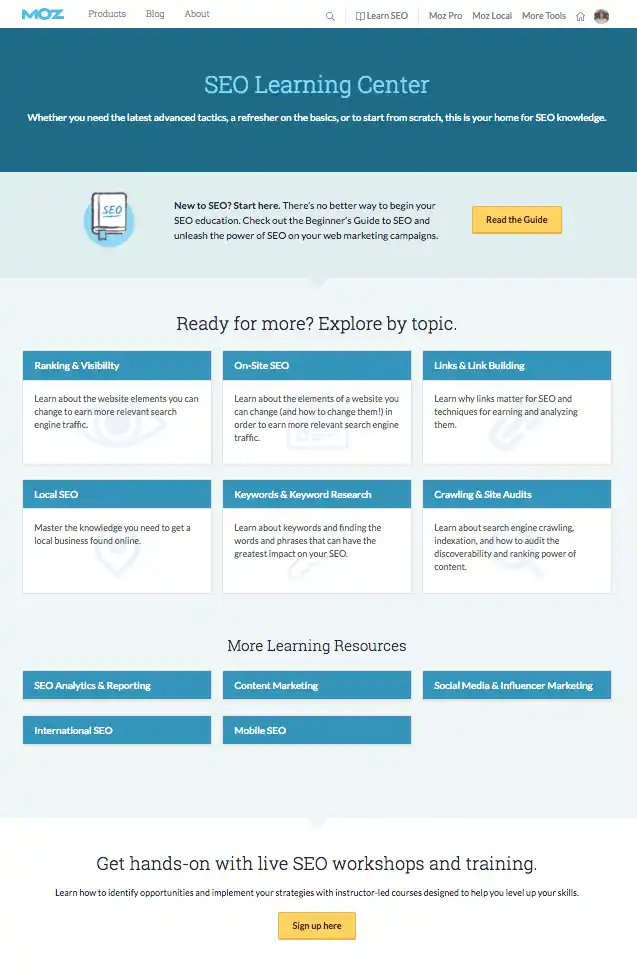
Moz delivers an exceptional digital experience for marketers focused on SEO. Their content is educational, technical, and highly interactive. They also have a dedicated SEO learning center and weekly videos.
3. Mailchimp

Mailchimp blends brand personality with practical tools. Its clean interface, engaging elements are complemented with useful real time ‘Content Optimizer’ that rates it on best practices. Thus offering real value to users.
4. Uber

The international ride hailing giant maintains its user base across different markets with personalized communications. The platform’s algorithm curates personalized promotions and notifications based on users’ commute patterns, location and local cultural references.
5. Airbnb
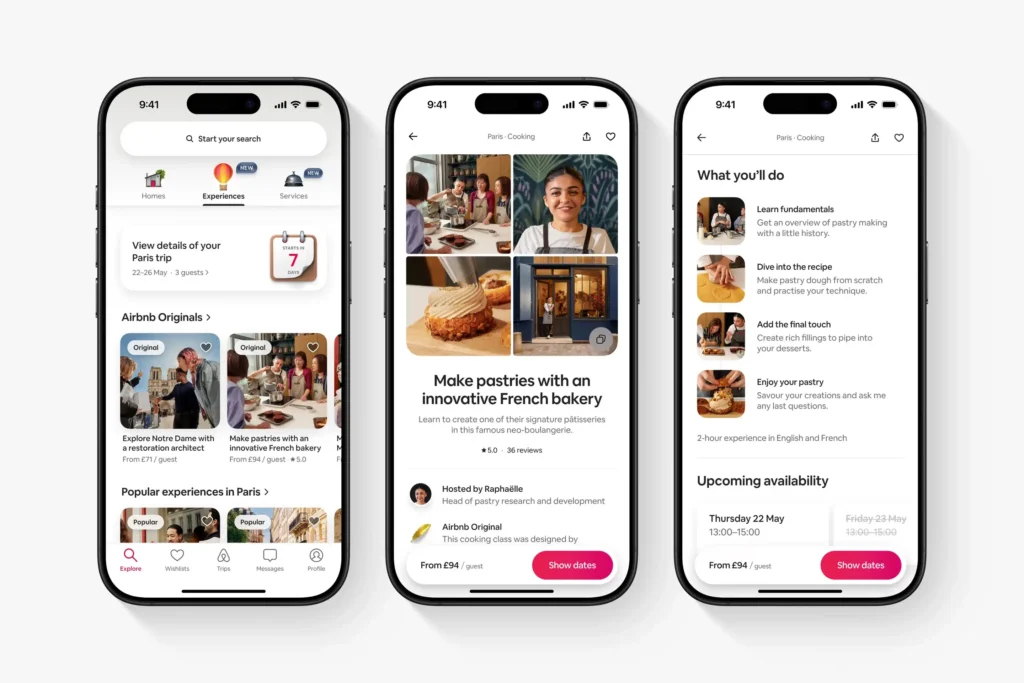
Airbnb creates an immersive content experience using high-quality visuals, easy filtering, and helpful user-generated content. Their website and app offer a seamless content experience to their users who are searching for accommodations.
6. Spotify
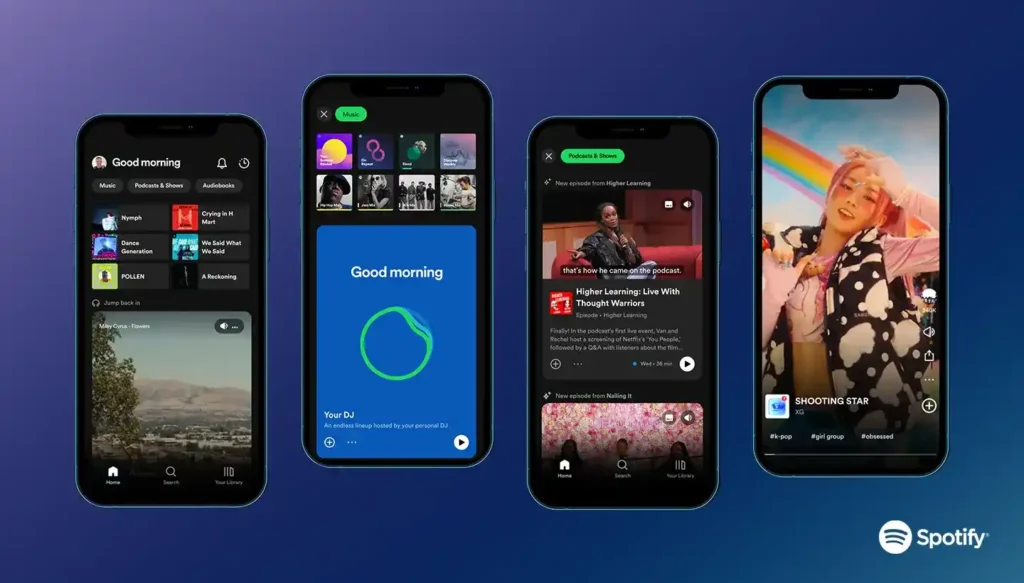
Spotify offers curated playlists, algorithmic recommendations, and collaborative tools. They provide experience to music lovers by enhancing user satisfaction and interactivity.
Content Experience Best Practices in 2025 for Maximum Results
Delivering exceptional content in 2025 demands strategic intent and clear goals. Here are five best practices businesses should follow to get maximum results:
1. Mobile-First Approach
With the majority of users accessing content on mobile, your content must load fast and function flawlessly across all devices. Since there are 4.7 billion active mobile internet users, mobile-first has to be a strategic decision for enhanced content experience. Simultaneously, incorporating accessibility features can also help with user experience.
2. Interactive Elements
Interactive features such as quizzes, polls, and videos convert passive users into active participants. These elements provide meaningful insights into user behavior, which enables smarter content optimization over time.
3. Personalization with AI
Leverage AI-driven tools to create truly personalized experiences. Use behavioral data to adjust messaging, recommend relevant content based on user intent and journey stage. This not only boosts engagement but also builds trust and loyalty.
4. Use Data for Content Journey Optimization
Use data analytics to improve content. Monitor key performance indicators such as bounce rate, click-through rate, and conversion rate to identify friction points. Use these data to optimize your content accordingly.
5. Omnichannel Approach
Today’s users do not interact with content on a single platform. They move across devices, channels, and touchpoints. Creating an omnichannel experience ensures your messaging remains consistent and connected wherever your audience finds you.
Content Experience vs. Content Marketing
While content marketing and content experience often overlap, they serve different functions within a brand’s digital strategy.
Understanding their differences is important to evolving from just publishing content to delivering meaningful, conversion-driven experiences.
| Aspect | Content Marketing | Content Experience |
|---|---|---|
| Focus | Creating and distributing relevant content for target audiences. | Managing how users engage with content across channels and stages of their journey. |
| Goal | Drive awareness, leads, or conversions through messaging and content delivery. | Enhance overall engagement by improving the user’s interaction with content. |
| Delivery | Often linear. Content is published and promoted through selected channels. | Omnichannel. Content is optimized for consistent experiences across all platforms. |
| Engagement Strategy | Tracks engagement and optimizes based on performance. | Designs the entire content ecosystem to flow seamlessly and increase retention. |
| Future Potential | Valuable as a foundational marketing practice. | Crucial for personalization and driving deeper conversions through strategic experience. |
At Das Writing Services, we know why meaningful and value-driven content is important. Reach out to us to learn how we have done it for our clients

Takeaway
A powerful content experience strategy goes far beyond publishing good content. It is about delivering the right content to the right person, at the right time. By combining strong UX, personalization, interactivity, and consistency, businesses can elevate their digital storytelling and drive measurable results.
By focusing on the full user journey and experience, businesses can turn content into a strategic asset.
Frequently Asked Questions
1. How to optimize content experience?
Start with a content audit to identify gaps. Use personalization, mobile-first design, and interactive elements to enhance engagement. Finally, track metrics to refine your strategy.
2. Can small businesses benefit from content experience strategies?
It is not limited to large brands. Even small businesses can improve engagement and conversions by aligning their content with their customer journeys and preferences.
3. How can a content experience strategy help my business grow?
A well-structured strategy improves user engagement, drives higher conversions, builds trust, and supports long-term retention through valuable content.
4. What role does UX play in content experience?
UX is at the heart of content experience. Elements such as navigation, load time, and layout influence how users engage with your content. A seamless interface ensures visitors stay longer and consume more.
5. What is the best content experience platform?
Platforms like Bloomreach, Contentstack, Adobe Experience Manager, and Optimizely help streamline content delivery, personalization, and multichannel management. Choose the platforms according to your needs.

Subhodip Das is the founder and CEO of Das Writing Services Pvt. Ltd. He has an experience of 12 years in the field of Digital Marketing and specialises in Content Writing and Marketing Strategies. He has worked with well-established organisations and startups helping them achieve increased Search Engine Rank visibility. If you want to grow your business online, you can reach out to him here.

Leave a comment