Have you ever wondered why some content comes up in the AI-driven search?
Content appears in the AI-driven search because the content is of high quality, credible and structured in a manner that further helps AI to understand and use it to generate answers.
Traditional SEO ranks websites, but the Generative Engine Optimisation (GEO) gives you direct responses based on credible content. The conversational AI tools or answer engines, such as ChatGPT, Perplexity or AI Overview, have changed the game totally.
So, optimize your content by going through our detailed explanation on generative engine optimisation tips and learn its importance.
Looking for GEO optimized content? Get it from the content experts!

Why GEO Matters in the Age of AI?
- AI-Driven Search: Users are turning to AI assistants for research as well as for product information. AI search engines give a summarised content based on the search query. Making it further important for your content to be a part of the summary.
The screenshots below are an example of AI-Driven Search. Both of these search queries have been answered in authoritative sources, ranking on page 1. However, the AI overview makes the job easy for the users.
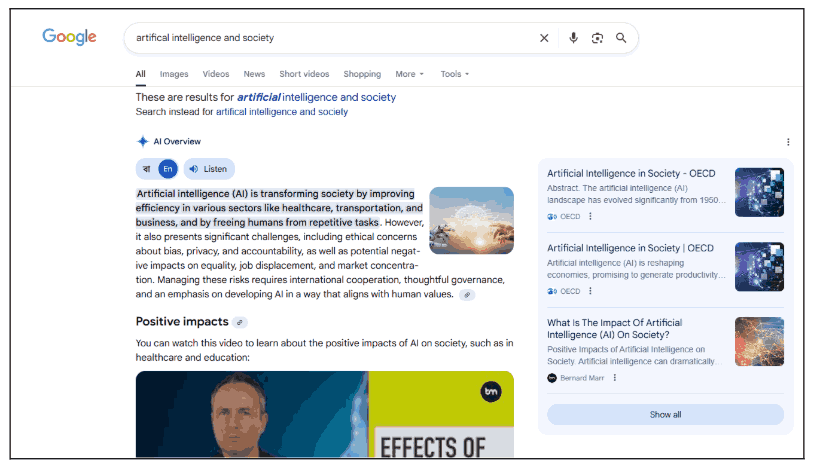
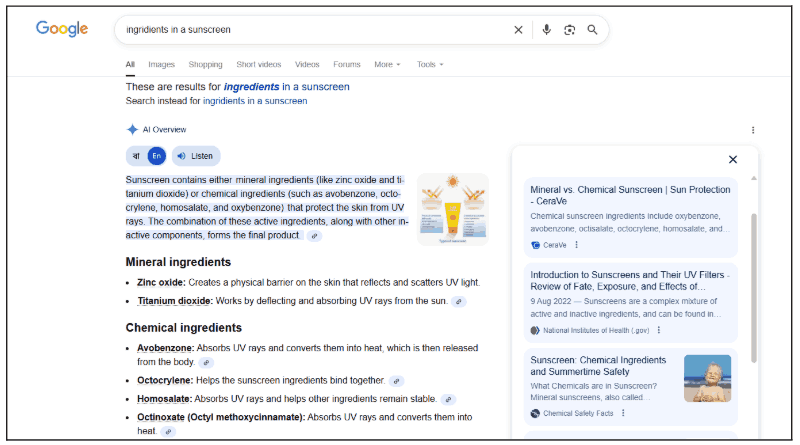
- Reduced Click: Generative AI provides answers, and users do not always click on the link. Thus, traditional search no longer guarantees organic traffic.
- AI Citations: Search has now become query-driven; users write questions instead of keywords. Therefore, if AI picks your content to cite, your brand gets visible to the user.
- Changed Search Pattern: Users’ query has shifted to conversational questions.
What are the Top 12 Generative Engine Optimisation Tips?
1. Prioritise Comprehensiveness over Keywords
In traditional SEO, keywords played an essential role; however, in terms of GEO, content quality is more important. The keyword can be anything, but your content should have enough value to be in the AI overview.
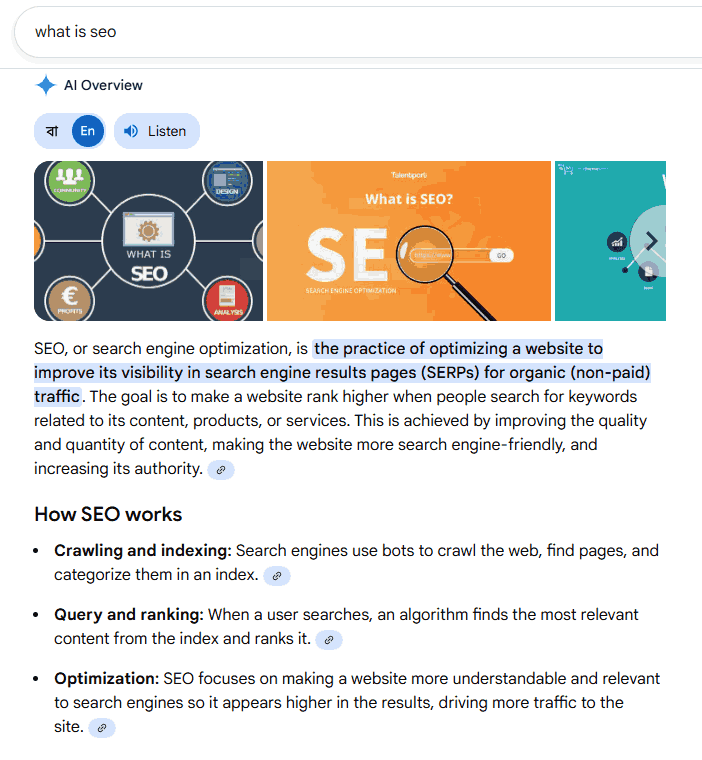
Here, the keyword is “what is SEO”, yet the AI overview is also providing “How SEO works”. It is an example of prioritising content comprehensiveness rather than keywords.
2. Focus on Easy-to-Understand Writing Pattern
Users do not want high professional jargony phrases. This can further lead the reader to open a new tab and search for specific meanings, ultimately increasing the bounce rates of your page. Users are looking for easy-to-read words, and for this, maintaining a conversational tone in the writing pattern is extremely important.
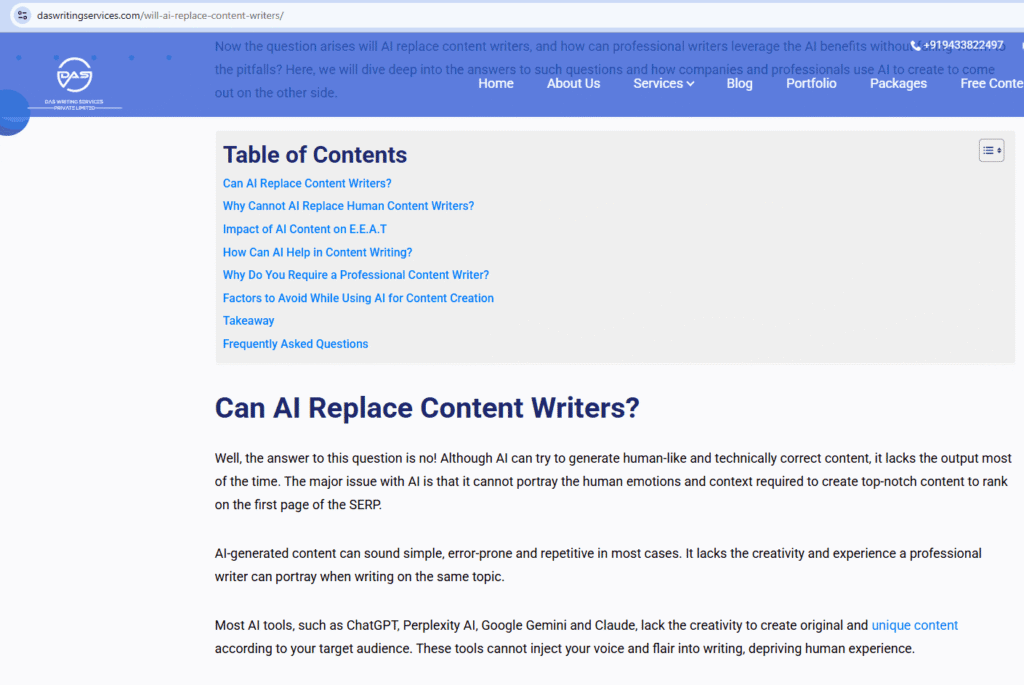
The writing pattern of the future of content writing is conversational and easier to understand as shown in the first image. Academic tone often confuses people with chunky paragraphs, and are harder to extract by Generative AI. Maintaining a conversational tone throughout is necessary to make your content readable by web crawlers.
3. Improve Readability
Improving readability does not mean getting an 80 score from Yoast. Readability should be improved for AI to analyse. For this use
- Short paragraphs
- To the point answers
- Directly answering the topic
- Bullet pointers
4. Use Schema Markup
It is a structured data that communicates the category of your page. In short, schema markups help AI or search engines to identify what your page is about. You can use Microdata, RDFa formats to add further information about your web content.
For this, use specific schema tags such as:
- FAQ for question-based content
- Product schema for e-commerce
- Article schema for contents that can be sourced.
For example, if you have an e-commerce website, the schema will look like this.
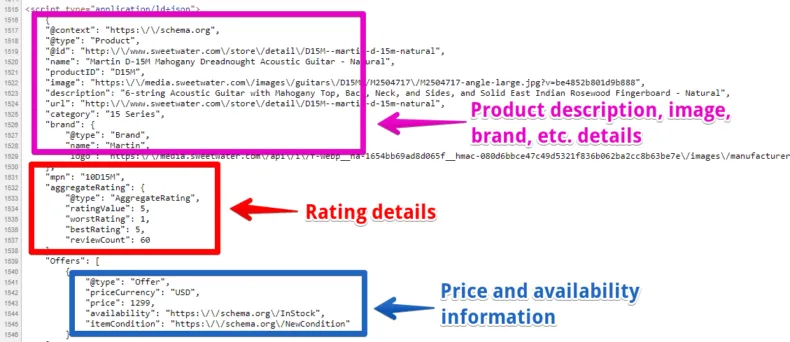
The properties for article markup may include
- Headline
- Description
- Author
- Date of Publication
- Main article
- Publisher
- Image
- Keywords
5. Use Questions as Headers
Using ‘wh’ words to make a header is suitable for AI search. People often search with “what, which, why”. Refer to the image below to see the difference. The search intention here is to find out “what is SEO tools”, rather than finding out about available SEO tools.
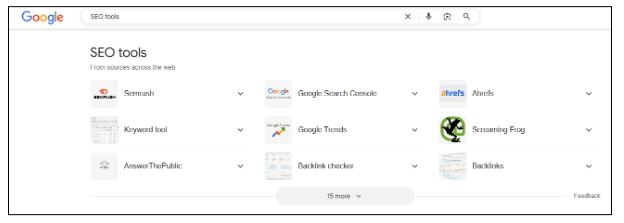
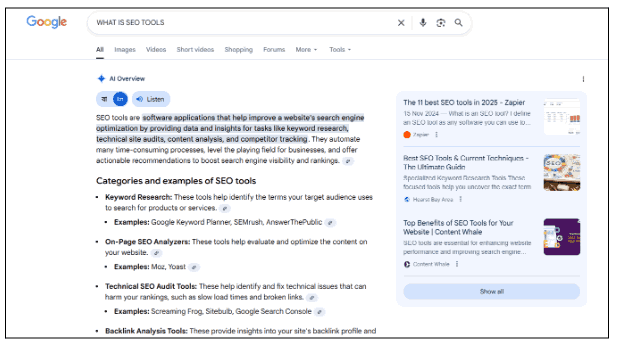
The first image does not provide any AI overview when searching for “SEO Tools”. However, when it is searched with “wh” words, the AI Overview is visible.
Read Related Blog: How to Rank in AI Overview?
6. Use Multimodal Elements to Strengthen AI Visibility
Multimodal AI is Google’s advanced AI model. This model is capable of processing information from various kinds of modalities, including video and images. Therefore, incorporating high-quality images in your content is essential if you want your content to appear in the AI overview.
7. Follow the Logical Flow Structure
Use H1, H2 and H3s clearly, make short factual paragraphs, and use lists and bullets to make your content easy to read by AI.
8. Use GEO Friendly Content Structure
You should organise content for readability by using the answer-first structure method. Answering the search intent of the user makes it easy for AI to read.

Users only look for answers, and they will see whether the blog article answers what it states or not. Same with the generative engine. As you can see, the above image directly answers the importance of content writing in digital marketing by following the answer-first structure.
9. Improve Meta Tags
Meta tags are important for a generative engine since they provide context to the AI model, further helping it to understand and index accurately. This is essential for ranking and getting AI visibility.
Thus, to be in the AI overview, you need to improve your meta tags. For this, you can
- Optimize for outcome based meta tags
- Use topically relevant alt tags across the images
10. Building Brand Authority
To build your brand authority and presence, co-citations can help increase your visibility because AI looks for every mention of the brand across the internet. Search for co-citations that are associated with the business you offer. The more mentions your brand gets, the more visible you are to AI.
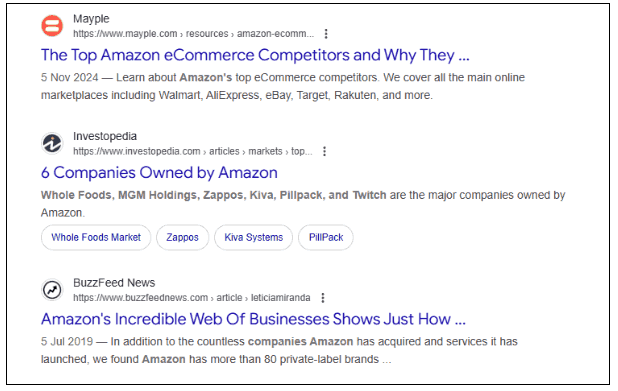
Getting referred by different domains is essential; this will make your brand visible to both Google’s Search Generative Experience (SGE) or AI Overview and the generative AI platforms. Thus, getting co-citations from one business will not suffice.
11. Secure your HTTPS
If you need AI to cite your content, your site needs to be secured. HTTP is unsecured, and HTTPS is secured. Security of your site is one of the vital signals of trustworthiness. This helps search and AI crawlers identify your site’s legitimacy. Site’s that lack proper security often get ignored in AI citations over dubious credentials.
12. Conversational Search Ranking
Users avoid typing keyword-heavy phrases; they ask full questions similar to how they talk to another person. Thus, conversational searches use the same grammatical pattern, closely resembling how people talk. If the search intent is “cat food”, the user will search with conversational phrases such as “what kind of cat food is best?”. Thus, your content needs to follow a conversational pattern throughout to match the search pattern for proper optimization.
These are some of the top generative engine optimisation tips that you need to keep in mind for making your content geo-friendly.
3 Types of Generative Engine Optimisation Examples

This can be categorised into 3 sectors. Such as Content, Authority, and Technical. GEO content optimisation techniques are as follows:
- Content
- Direct Answers: Instead of saying the “best places to visit in NYC are numerous and popular…”, write “best places to visit in NYC are A, B, C”.
- Conversation Building: The flow should be easy to understand. If the user asks what the best places to visit in NYC are, the AI gives a list. Next question comes “which one is pocket-friendly?”, the content needs to be tailored to the user’s query.
- Authority: If possible, add data and statistics for AI to scan. The data, however, need to be authentic. This signals credibility to the generative engines.
- Technical: Your content needs to be standard, particular and specific as this will increase the user experience (UX). Following a good UX is a key to both traditional and generative rankings.
The examples strongly align with generative engine optimisation tips. These are some of the basic nuances that need to be remembered if you want your content to be cited by AI and be a part of the AI summary.
4 Free Generative Engine Optimisation Tools
Checking the AI visibility may not be possible with human eyes; to lift up the burden, there are some free tools. With these free tools, you can check whether your content is “AI worthy” or not.
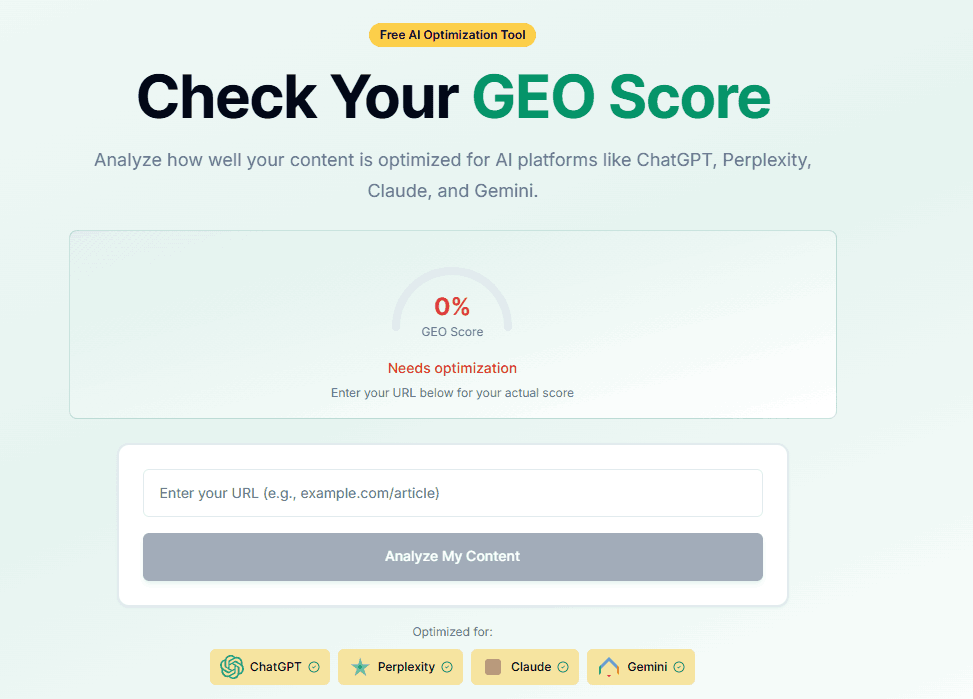
1. Frase GEO Score Checker: It is an SEO and that analyses the URL and identifies the potential to be cited by search engines such as Google and Bing, and AI platforms.
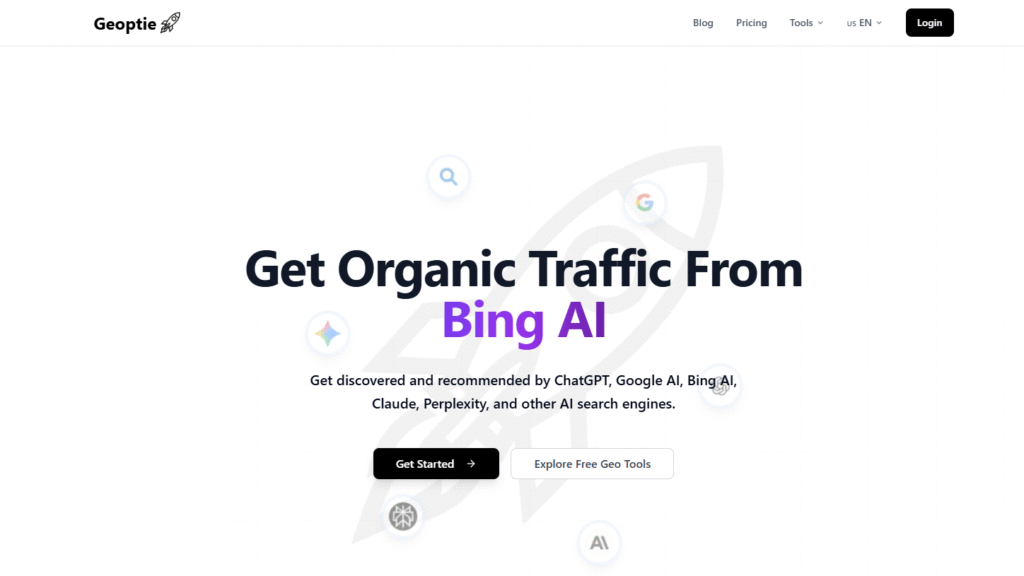
2. Geopite Free GEO Toolkit: Offers various types of free tools for your content to be visible to AI. Additionally, it examines your content and identifies terms and phrases that work well in the generative search engines.
3. SEMRush (Free Version): It is not essentially a GEO tool, but it helps with foundational data that helps with an AI optimisation strategy

4. Am I on AI: It is a quick tracker. With a quick scan, it helps you to understand how AI is mentioning your brand.
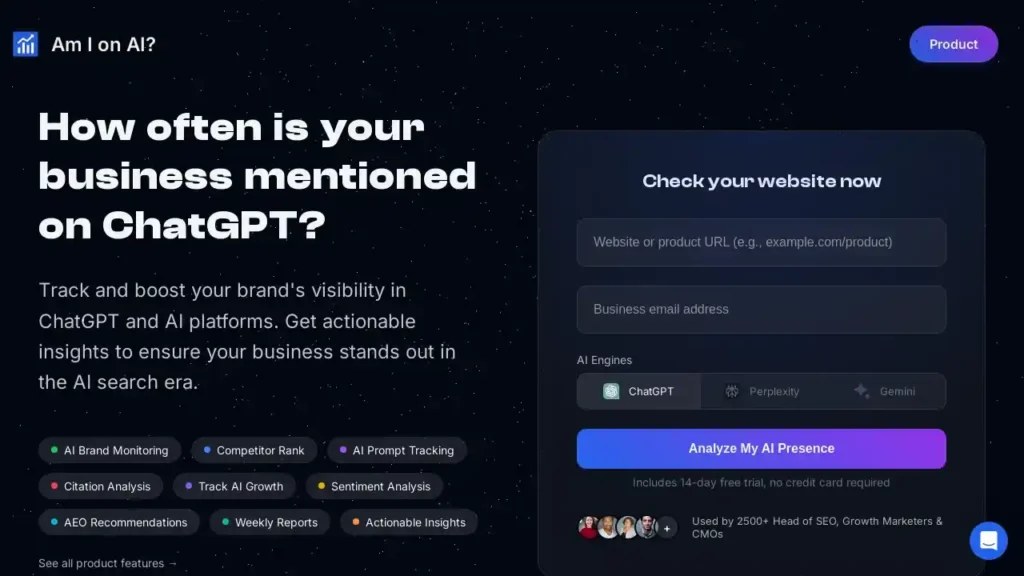
There are other paid tools as well, which might help you with content, but in the beginning, these tools are good for you to check the AI visibility potential for your content.
Final Thoughts
Living in the age of technology, where Artificial Intelligence is booming, the competition is not with humans but with AI. To be a part of the AI overview, checking the content with the tools will not suffice. You have to provide authoritative and quality content.
AI-driven search is indeed replacing traditional search. But with the help of the provided generative engine optimisation tips, you will also be able to create content which will help your content rank on the AI overview page.
Frequently Asked Questions
1. Will AI replace traditional SEO?
AI will not change traditional SEO. However, it is changing how traditional search works.
2. What is the goal of GEO?
The primary goal of GEO, or Generative Engine Optimisation, is to increase visibility in the AI generative response.
3. How can I improve Generative Engine Optimisation?
You have to follow a few of the steps mentioned. Also, you can use free or paid tools as per your needs.
4. How to rank on Generative Engines?
Make your content precise and follow a logical informational structure by using short paragraphs, bullets and short sentences. Most importantly, answer everything directly.
5. I know SEO, will it work for GEO?
Yes, it will work for GEO. If you know the factors, you can easily rank your content in the AI. However, the mentioned generative engine optimisation tips will help you even more.

Subhodip Das is the founder and CEO of Das Writing Services Pvt. Ltd. He has an experience of 12 years in the field of Digital Marketing and specialises in Content Writing and Marketing Strategies. He has worked with well-established organisations and startups helping them achieve increased Search Engine Rank visibility. If you want to grow your business online, you can reach out to him here.


Leave a comment