
Get Your Website Content Audit

 Add as preferred on Google →
Competition is a part of every business, so it is important to know what other businesses are doing. According to a HubSpot report, 29% of marketers use content marketing to grow their business. A competitor analysis tool helps you understand your competitors’ products, services, marketing ideas, and business performance.
This information helps you make better decisions and find new opportunities. It also shows what your competitors do well and where they fall behind. By learning from them, you can improve your business and stay ahead in the market.
What Is a Competitor Analysis Tool?
A competitor analysis tool is a software or platform that helps businesses learn more about their competitors. It collects useful information about their products, services, marketing methods, and online performance. This saves time because businesses do not have to search for everything on their own.
Different tools are made for different purposes, so it is important to choose one that matches your business needs. The right competitor analysis tool helps you understand the market and improve your plans to make smarter business decisions.
The Popular 10 Competitor Analysis Tools
Competitor analysis provides new insights to improve business plans. Many tools make this process faster and easier. Below are 10 popular competitor analysis tools that help businesses understand their competitors and make better decisions.
- Ahrefs
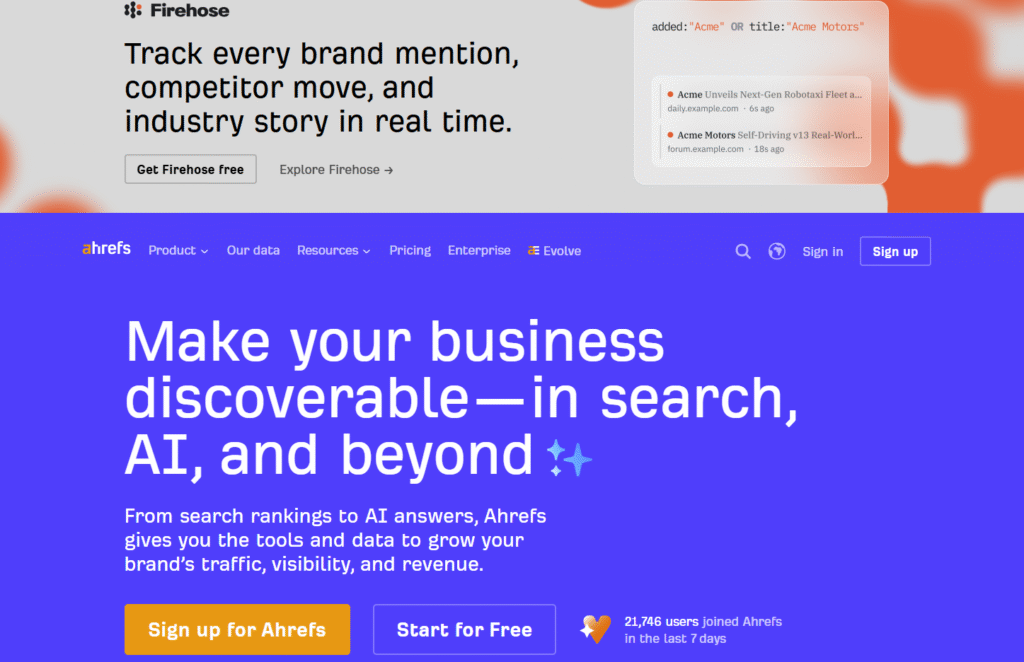
Ahrefs is one of the most popular tools for SEO analysis in competitor research. It helps businesses check their website performance, find useful keywords, study competitors, and discover new content ideas. It shows backlink details and content gaps that improve SEO.
Although it is more expensive than many other tools, Ahrefs is trusted because it gives detailed data and helps businesses make better SEO decisions.
- Semrush
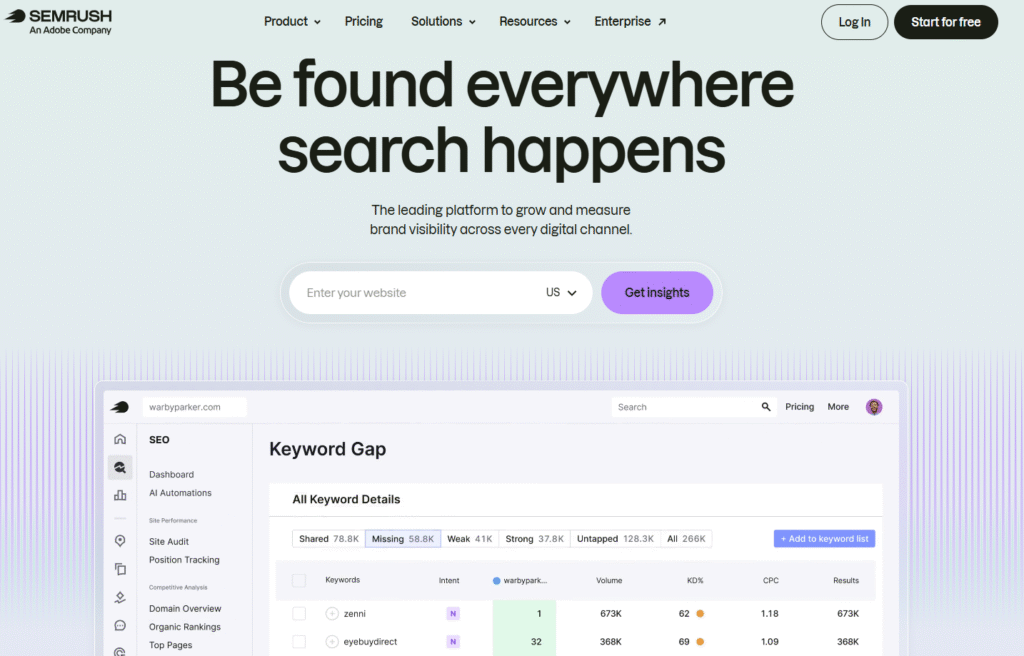
If you want to understand how your competitors perform online, Semrush is a smart choice. It lets you check backlinks of competitors, compare keywords, track search rankings, and study online ads. You can also review social media performance and find new content ideas.
Since it brings many marketing features together, Semrush helps businesses make better SEO and digital marketing decisions from one platform.
- SimilarWeb
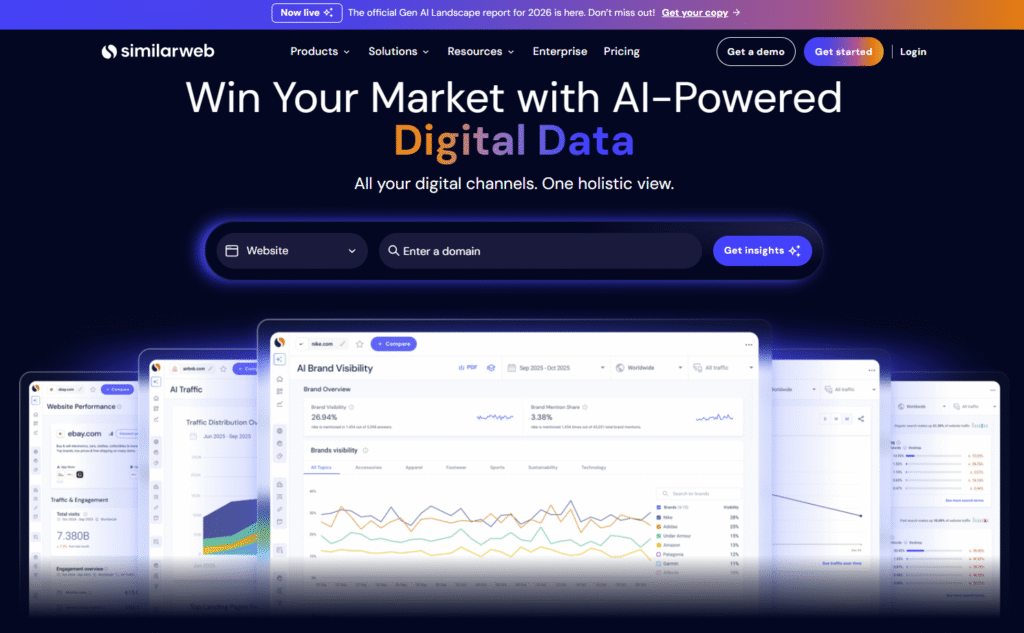
SimilarWeb shows website traffic, visitor details, traffic sources while supporting keyword competitor analysis by giving insights on search trends and keyword performance. Businesses can find new growth opportunities and understand market changes.
SimilarWeb may cost more for small businesses but it is a useful tool for digital marketing and competitor research.
- Brandwatch
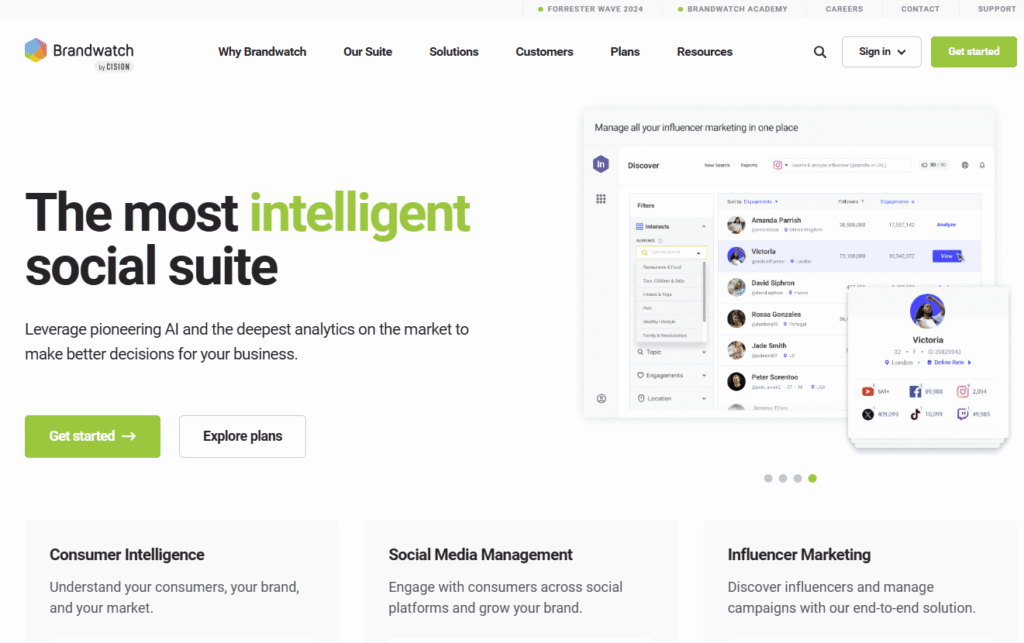
Knowing what people say about your competitors can help you improve your own brand. Brandwatch tracks social media posts, blogs, news, reviews, and online discussions. It even studies brand reputation through customer opinions and indicates how they feel about different businesses.
Although it is mainly designed for large companies, Brandwatch is a powerful competitor analysis tool for social listening and competitor research.
- Owletter
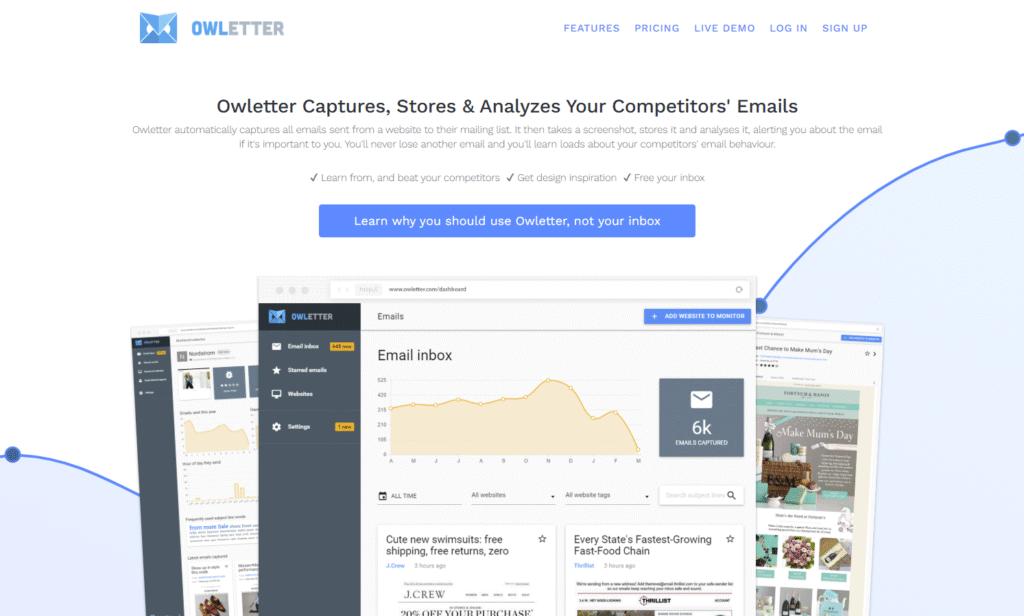
Email campaigns can show how businesses connect with their customers. Owletter collects competitor emails, saves them in one place, and studies their marketing patterns. It tracks when emails are sent, how often they are shared, and the keywords they use.
By spotting new email trends Owletter also helps businesses learn from successful email campaigns and improve their own email marketing strategy with better planning.
- BuzzSumo
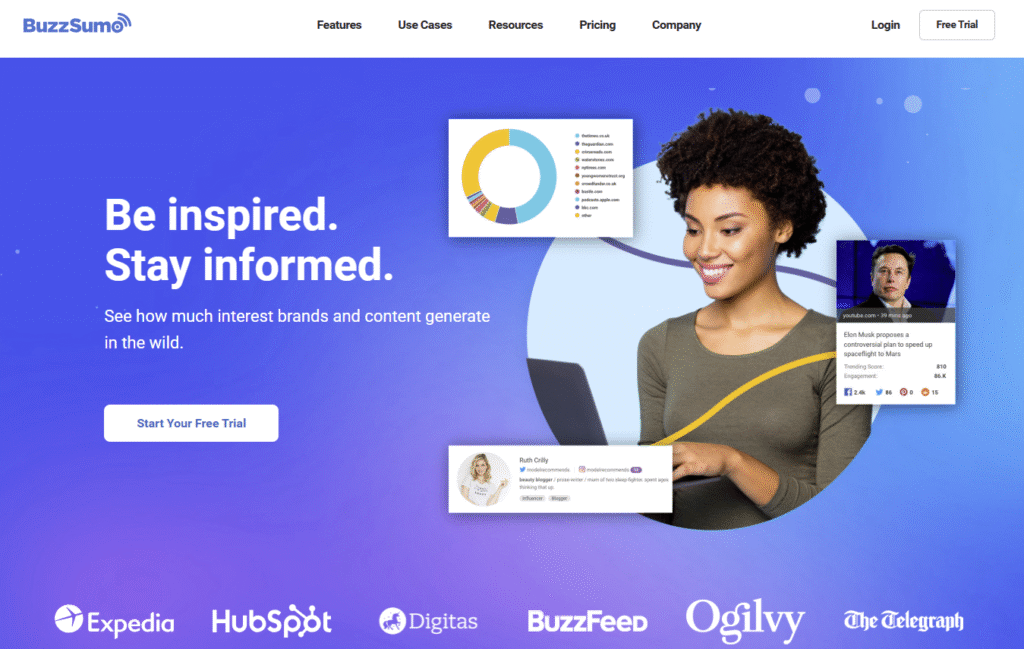
Creating good content becomes easier when you know what people enjoy reading. BuzzSumo helps businesses find popular topics, track competitor content, and measure social media engagement. It also shows which articles get the most shares and backlinks.
It even helps businesses find journalists and influencers for better promotion. This makes BuzzSumo a useful choice for improving content marketing and reaching more readers.
- SpyFu
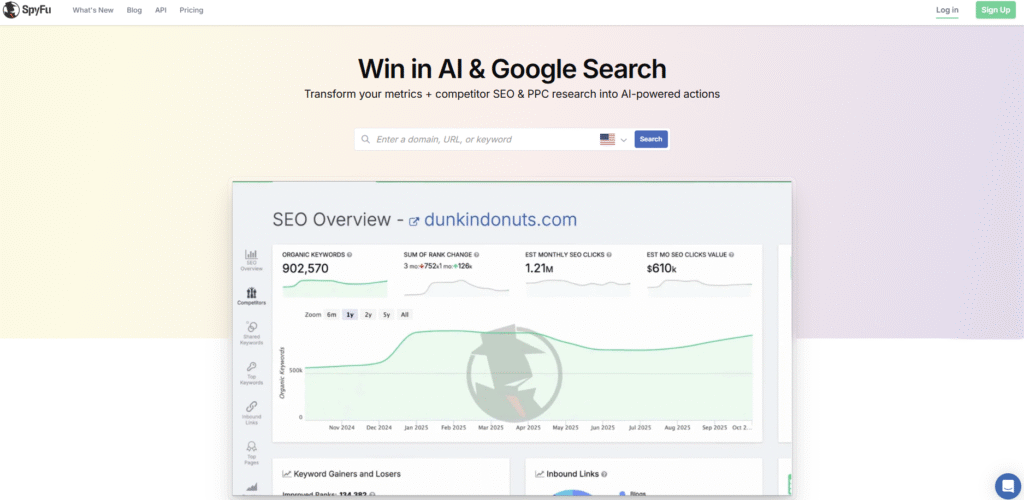
Want to know which Google Ads help your competitors get more customers? SpyFu gives you that information by showing their keywords, ad copies, and estimated advertising costs. It also tracks PPC campaigns and search rankings to find new opportunities.
SpyFu is a useful competitor analysis tool for improving SEO and paid advertising strategies, although its organic search data has some limits.
- Google Trends
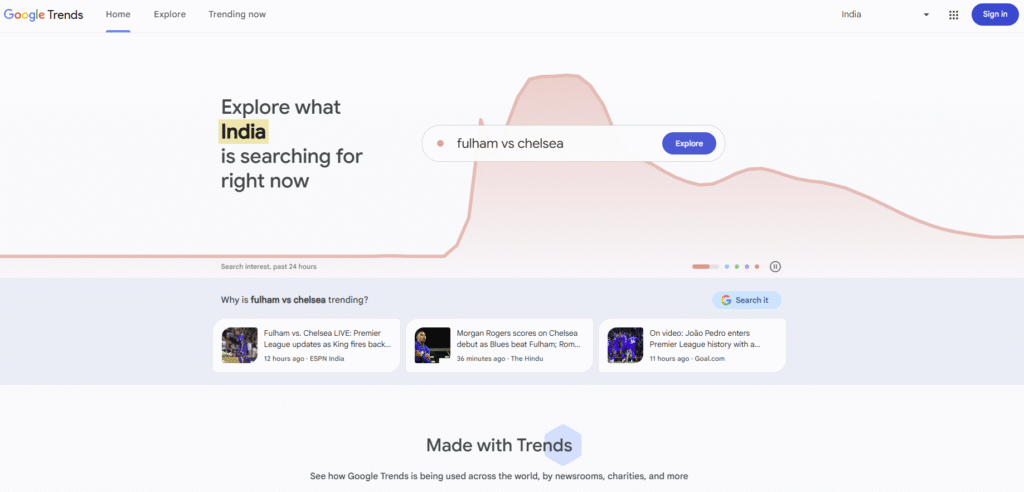
Every business must be curious to learn what people are searching online the most. Google Trends helps businesses compare search interest for different keywords and brands. This Google competitor analysis tool shows how your brand performs against competitors in Google Search.
This helps businesses understand customer interest, discover popular topics, and plan better content and marketing strategies.
- Hootsuite

Keeping track of social media becomes much easier with Hootsuite. It helps businesses compare their social media performance with competitors and understand what works best. The tool also tracks trends, customer conversations, and popular topics across different platforms.
Businesses can create posts, reply to customers, and manage social media from one place, making marketing faster and more organised.
Need help creating social media posts? Get in touch with Das Writing Services Pvt. Ltd. Our in-house expert writers can create social media posts for your brand that will give your brand a unique voice and a strong online presence.
- Kompyte
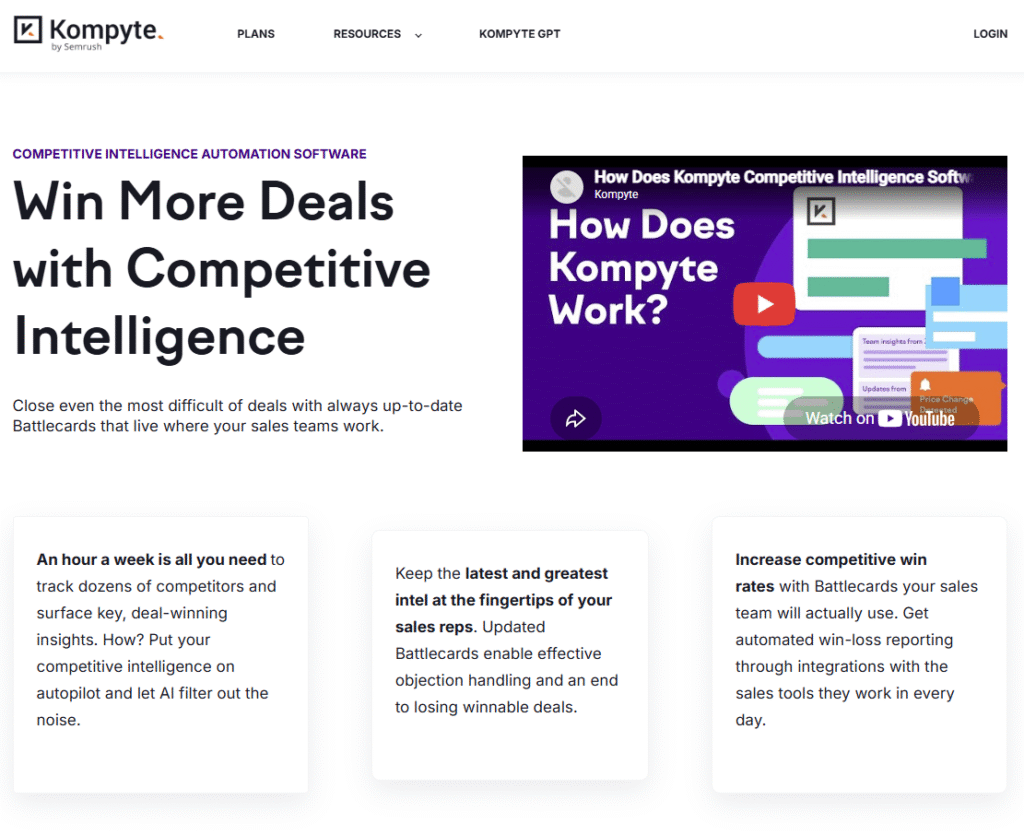
Instead of checking every competitor one by one, Kompyte collects important updates in one place. It tracks websites, social media, reviews, advertisements, and job posts to show what competitors are doing.
The tool also uses AI to highlight the most important changes and creates easy reports for sales teams. This helps businesses save time, compare competitors, and make smarter decisions.
What Are the Benefits of Competitor Analysis?
Competitor analysis helps businesses understand the market and improve their plans. But how does competitor analysis help your business grow? Here are some of its main benefits:
- Compare your business performance with competitors and find areas that need improvement.
- Learn from competitors’ successful ideas and avoid mistakes they have already made.
- Discover where competitors appear online and improve your own online presence.
- Find new customer groups, fresh marketing ideas, and business opportunities others may overlook.
- Build a stronger brand by showing customers what makes your products or services different.
How to Completely Utilise the Competitor Analysis Tools?
Use your tools for competitor analysis that begins with finding and making a list of businesses that sell similar products or services. Then separate them into direct and indirect competitors. Following this use your tools to analyse the following aspects:
- Compare Products
Study your competitors’ products or services carefully. Compare their features, prices, quality, and customer reviews. This helps you understand where you can improve.
- Check Their Marketing
Look at how competitors promote their business online by visiting their websites, blogs, social media pages, and advertisements. That is how you find out how they reach more customers.
- Study Sales Strategy
Observe how competitors attract customers and complete sales. Notice their offers, discounts, follow-up messages, and customer support to improve your own sales process.
- Read Reviews
Check customer reviews on trusted websites and social media platforms. Positive and negative feedback helps you understand what customers like and what problems they often face.
- List Strengths and Weaknesses
List the strengths and weaknesses of every competitor. This makes it easier to discover market gaps, improve your products, and offer better services than your competitors.
- Plan Your Strategy
Use everything you have learned to improve your business. Focus on your strengths, solve customer problems, and create better marketing plans to stay ahead of your competitors.
Final Words
Every business can grow by learning from its competitors and making smarter decisions. Using the right competitor analysis tool saves time, improves planning, and helps you find new opportunities in the market.
Keep checking your competitors regularly because business trends and customer needs keep changing. By improving your products, services, and marketing strategies, you can attract more customers and stay ahead for a long time.
Frequently Asked Questions
- What is the difference between direct and indirect competitors?
Direct competitors sell products or services similar to yours. Indirect competitors sell different products but target the same customers. For example, a clothing store competes with nearby clothing stores and online fashion marketplaces.
- What are the main types of competitor analysis?
The main types of competitor analysis are market, product, sales, marketing, and financial. Together, they help businesses understand competitors, improve their plans, find new opportunities, and stay ahead in the market.
- How do you choose the best competitor analysis tool?
Choose a competitor analysis tool that matches your business needs. It should provide accurate data, cover different marketing channels, offer easy reports, fit your budget, and include reliable customer support.

Subhodip Das is the founder and CEO of Das Writing Services Pvt. Ltd. He has an experience of 12 years in the field of Digital Marketing and specialises in Content Writing and Marketing Strategies. He has worked with well-established organisations and startups helping them achieve increased Search Engine Rank visibility. If you want to grow your business online, you can reach out to him here.


