
Have you ever wondered why some start-ups seem to skyrocket to success while others struggle to make an impact? The answer often lies in their ability to connect with their audience. One of the most effective reasons to start a blog for start-ups is to build that meaningful connection. Blogging helps start-ups share their story, showcase expertise, and engage potential customers, laying the foundation for long-term growth and brand trust.
With more than 140,000 government recognised start-ups, having a blog is not just nice-to-have accessory, it is a must-have tool for start-ups to stay afloat in this competitive market.
Want to get blogs that make you stand out in the industry? Click below!

Reasons to Start a Blog for Start-ups
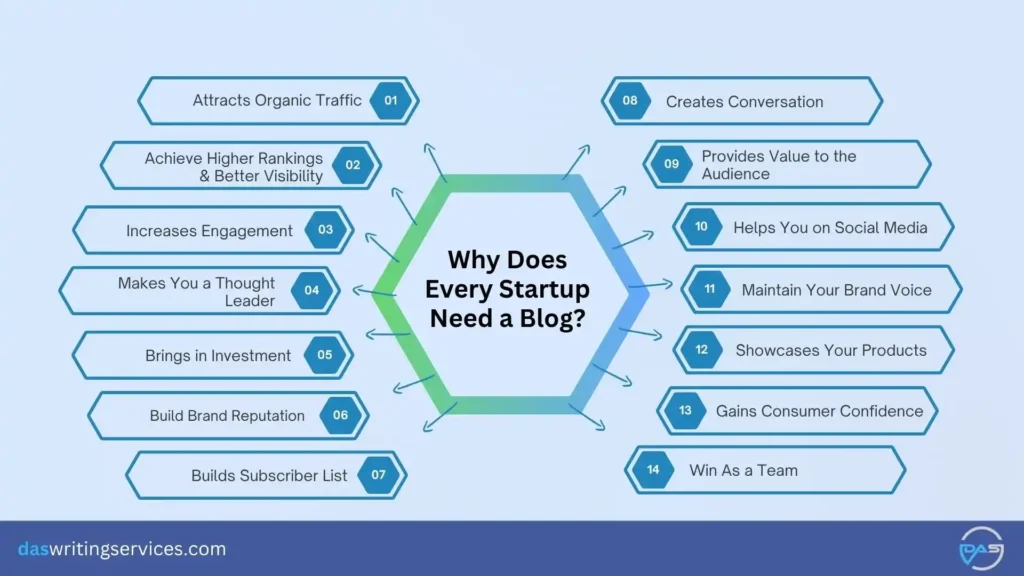
For start-ups, a blog is a powerful tool to communicate with potential customers, establish trust, and build a brand that resonates with the target audience.
But why exactly is a blog so crucial for start-ups? Following are some of the most important reasons to start a blog for start-ups:
1. Attracts Organic Traffic
One of the most significant benefits of starting a blog is its ability to attract organic traffic – continuously. When start-ups create high-quality, relevant content, they can rank on search engines like Google, drawing in visitors searching for solutions or information related to their niche.
Unlike paid ads, which stop delivering traffic once the budget runs out, a well-optimised evergreen blog post can continue to bring in visitors for up to 3+ years after it is published. This strategy of increasing organic traffic is essential for start-ups, as it lead to boosted brand exposure and more potential customers without the need for continuous investment in advertising.
2. Achieve Higher Rankings & Better Visibility
Blogging is not just about writing, it is about optimising your content so that search engines can easily find it. Regularly updating your blog with fresh, keyword-rich content can significantly increase your website’s SERP rankings. Maintaining consistent blog publishing should also make you appear on Google Discover and answer engines more frequently.
For start-ups, this means that their website is more likely to appear on the first page of search engine results when potential customers are searching for products or services related to their business.
Achieving higher rankings is essential for start-ups because it enhances discoverability, driving more traffic to the website and increasing your brand reputation.
3. Increases Engagement
A blog provides a platform for start-ups to engage with their audience on a deeper level. By providing real value, websites get more users to stick around increasing the chances of conversions.
This engagement is crucial as it not only helps in building a loyal customer base but also provides helpful insights to the customers about the products or services. Increased engagement through a blog can lead to better customer relationships and drive on average 3x more conversions to the website.
4. Makes You a Thought Leader
In the crowded marketplace, standing out is key. A blog allows start-ups to share their expertise and insights, positioning themselves as thought leaders in their industry. By consistently publishing content that offers valuable information, trends, and advice, start-ups can build a reputation as an authority in their field.
Being recognised as a thought leader not only enhances brand credibility but also attracts partnerships, collaborations, and media opportunities, all of which are beneficial for a start-up’s growth.
5. Brings in Investment

Investors are always on the lookout for start-ups that have a clear vision, a strong brand, and a loyal customer base. A well-maintained blog can showcase a startup’s growth, market understanding, and customer engagement, making it more attractive to potential investors.
By highlighting success stories, customer testimonials, and thought leadership, a blog can serve as a powerful tool to impress investors and secure the funding needed to scale the business.
6. Build Brand Reputation
Reputation is everything in the business world, and a blog can play a significant role in building and maintaining a start-up’s brand reputation. By consistently providing high-quality content that aligns with the brand’s values and mission, start-ups can shape how their audience perceives them.
A blog allows start-ups to control their narrative, address any misconceptions, and establish a positive brand image. Over time, this can lead to increased trust and loyalty from customers.
7. Builds Subscriber List
A blog is an excellent way to build an email subscriber list, a valuable asset for any startup. By offering compelling content that readers want to come back to, start-ups can encourage visitors to subscribe to their newsletter.
Once someone subscribes, the startup can nurture this relationship by sending regular updates, exclusive content, and special offers. A robust subscriber list not only provides a direct line of communication with potential customers but also increases the likelihood of repeat business.
8. Creates Conversation
Blogging opens up the floor for conversations that might not happen otherwise. When a startup publishes a blog post, it is not just about broadcasting information, it is also about sparking a dialogue. Readers may have questions, comments, or even criticisms, all of which are opportunities for engagement.
These conversations can lead to deeper relationships with customers, providing start-ups with valuable feedback and new ideas for future content or products. Engaging with your audience through blog comments or social media shares also enhances the startup’s visibility and reach.
9. Provides Value to the Audience
In the world of content marketing, providing value is key to success. If you find reasons to start a blog, it can offer valuable insights, tips, and information that solve problems for your audience.
This value-driven content not only helps build trust but also positions the startup as a go-to resource in their industry. When readers find value in a startup’s blog, they are more likely to share the content with others, expanding the startup’s reach and influence.
10. Helps You on Social Media
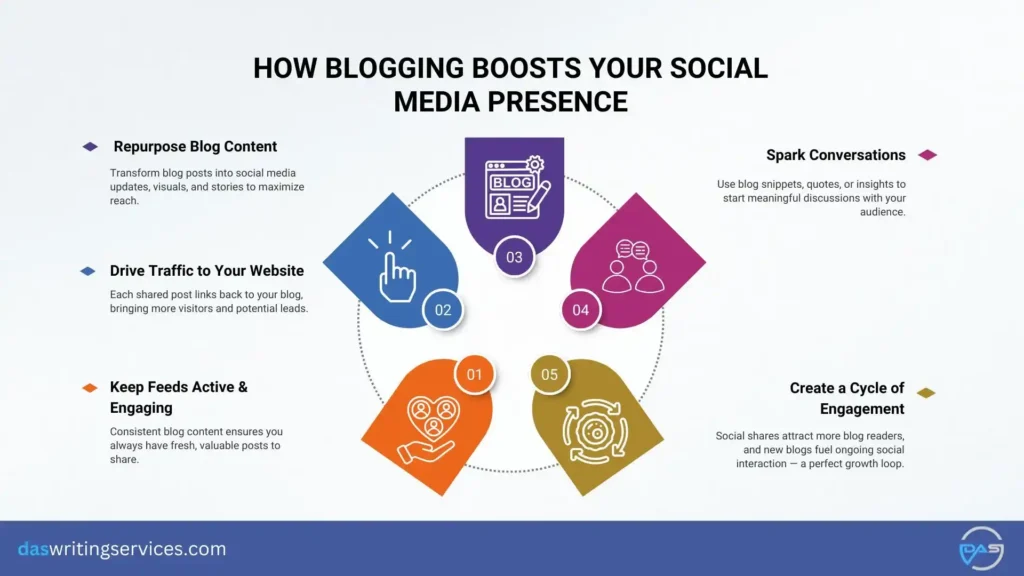
A blog and social media content go hand in hand. The content created for a blog can be repurposed and shared across various social media platforms, driving traffic back to the startup’s website.
Additionally, blog posts provide a wealth of content that can be used to engage followers on social media, whether through quotes, infographics, or discussion prompts. This not only helps in keeping social media feeds active and engaging but also drives more visitors to the blog, creating a cycle of traffic and engagement.
11. Maintain Your Brand Voice
For a startup, having a consistent brand voice is crucial for building a recognisable and trustworthy brand. A blog is the perfect platform to develop and maintain this voice.
By consistently publishing content that reflects the start-up’s personality, values, and mission, the brand voice becomes stronger and more distinct. This consistency is key to building a connection with the audience and ensuring that all communications align with the brand’s overall image.
12. Showcases Your Products
While the primary focus of a blog should be to provide value to the audience, it is also an excellent platform to showcase products or services. Start-ups can use their blog to highlight new product launches, share case studies or success stories, and demonstrate how their offerings can solve problems for their customers.
This not only helps in driving sales but also in educating the audience about the benefits and features of the products, leading to more informed purchasing decisions.
13. Gains Consumer Confidence
Trust is a vital component of the customer journey, especially for start-ups that are still establishing themselves in the market. A blog can help build and maintain consumer confidence by providing transparent, honest, and helpful content.
By addressing common concerns, answering questions, and providing valuable insights, a well-optimised blog helps in building a relationship based on trust. Over time, this trust can translate into increased customer loyalty and advocacy, which are crucial for long-term success.
14. Win As a Team
Blogging does not have to be a solo endeavour. For start-ups, involving the entire team in the content creation process can have significant benefits. Not only does it provide a diversity of perspectives and expertise, but it also fosters a sense of ownership and collaboration within the team.
By encouraging team members to contribute to the blog, start-ups can create a richer, more dynamic content strategy that resonates with a broader audience. This collaborative approach can also lead to better ideas, more innovative content, and a stronger team culture.
What Types of Blog Posts Should Start-ups Create?
Now that we’ve explored the key reasons to start a blog for start-ups, the next step is understanding what types of blog posts to create. The content should be tailored to your target audience and aligned with your overall business goals. Here are some effective types of blog posts every start-up should consider:
- Lists
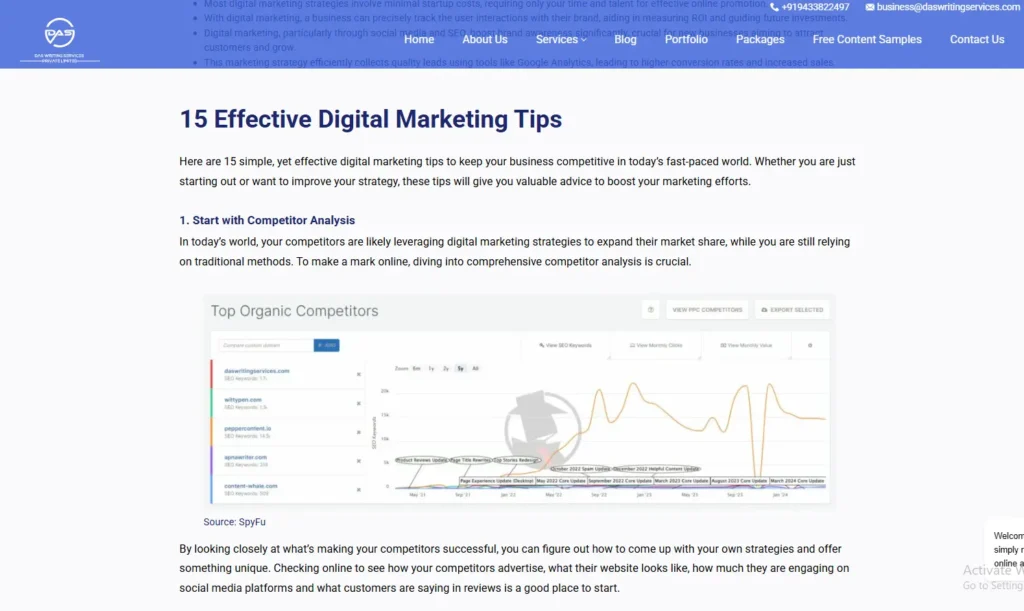
Listicles are popular because they are easy to read and provide value quickly. A list of tips, tools, or strategies can attract readers and keep them engaged (such as this blog).
Example: Listicle Blog (Top 15 Digital Marketing Tips to Boost Your Business)
- How-to Blogs

These posts offer practical advice on how to accomplish something specific. They are particularly effective for start-ups that want to showcase their expertise and help their audience solve problems.
Example: How-to Blogs (How to Create the Best SEO Blogs)
- Case Studies

Sharing real-life examples of how your product or service has helped a customer can be powerful. Case studies demonstrate the tangible benefits of your offerings and build credibility.
Example: Case Studies Blog (Digital Marketing Case Studies: Examples and Best Strategies)
- Guest Blogging
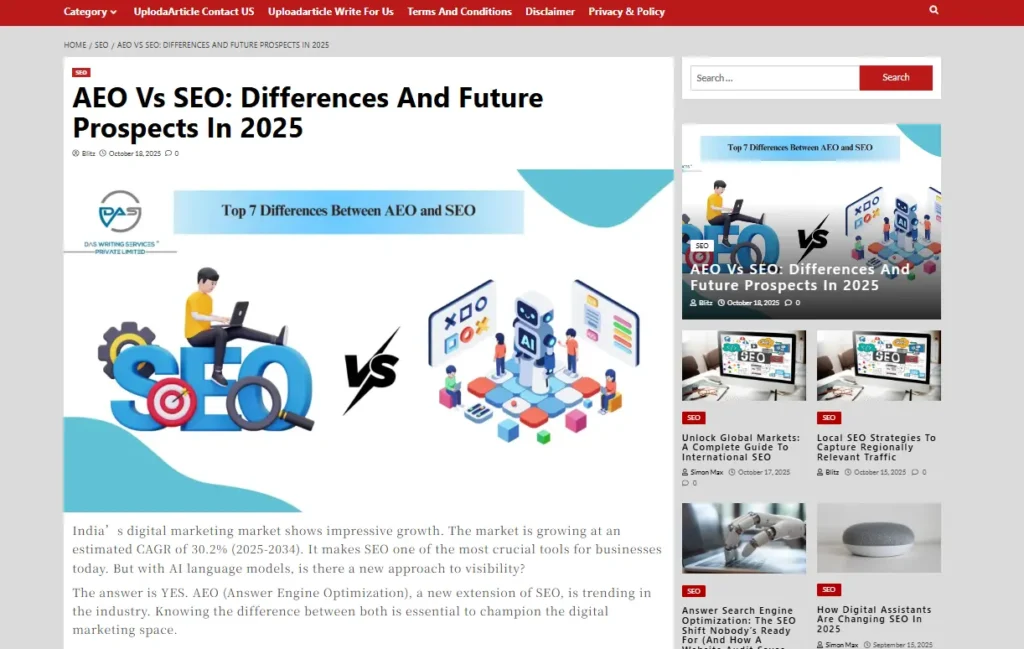
Inviting industry experts to contribute to your blog not only adds variety to your content but also expands your reach by tapping into your audience.
Example: Guest Post Blog (AEO Vs SEO: Differences And Future Prospects)
- Comparison Posts
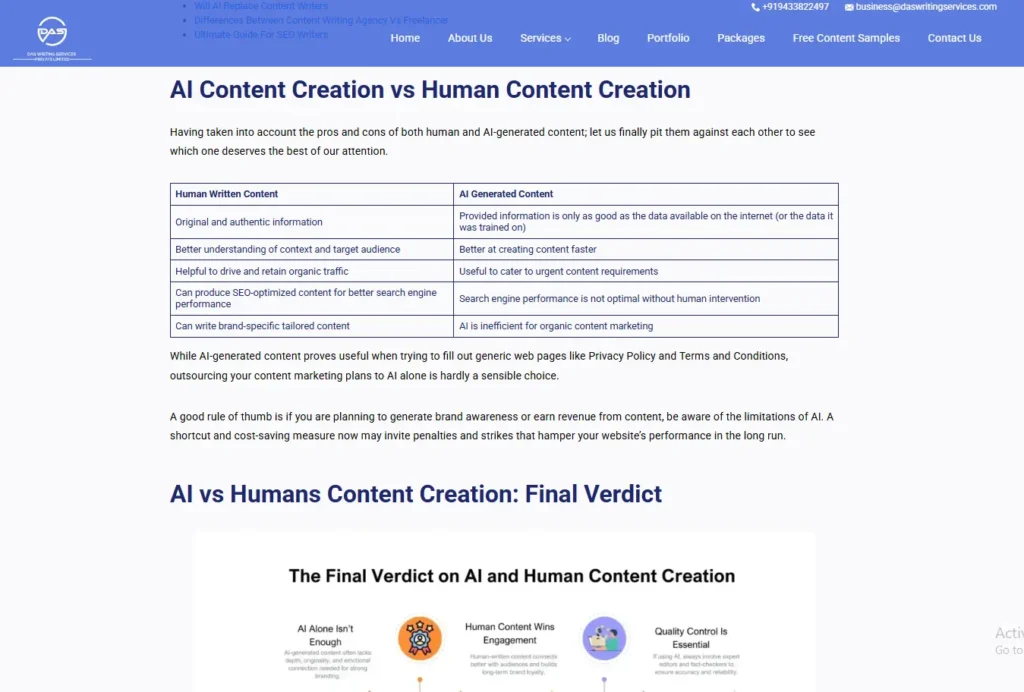
Comparing your product or service with others in the market can help potential customers make informed decisions. Just be sure to maintain a balanced and fair tone to build trust.
Example: Comparison Blog (AI Copy vs Human Writers: Who Creates Quality Content?)
How to Start a Blog in 2025?
If you are convinced that your startup needs a blog, the next step is to get started. Here is a step-by-step guide to help you launch a successful blog in 2025:
1. Understand the Purpose of Your Blog
Before you start writing, it is important to understand the reasons to start a blog for a small business. What are your goals? Are you looking to attract traffic, build brand awareness, or generate leads? Having a clear purpose will guide your content strategy.
2. Plan Your Content Strategy
Planning ensures that your blog remains consistent and relevant. Consider creating a content calendar that maps out your posts for the next few months.
This calendar should include details like publication dates, topics, keywords, and the intended audience for each post. A well-structured content strategy helps you stay organised and focused, ensuring that your blog content aligns with your start-up’s goals.
Don’t have the time? Click below and we will do it for you

3. Set Up Your Blog
Once your strategy is in place, it is time to set up your blog. Choose a blogging platform that suits your needs such as WordPress, which is popular for its flexibility and ease of use. You will also need to select a domain name, which should ideally be the same as your startup’s name or something closely related.
Ensure your blog’s design is user-friendly and reflects your brand’s identity. If you are not tech-savvy, consider hiring a web developer to help with the setup.
4. Create Your Blog Content
Now comes the most critical part: content creation. Focus on writing high-quality, valuable content that resonates with your target audience. Start with a mix of the blog post types mentioned earlier, such as lists, how-to guides, and case studies.
Ensure each post is well-researched, informative, and engaging. Use visuals like images, infographics, and videos to break up the text and make your content more appealing. Remember to optimise your posts for SEO by incorporating relevant keywords, meta descriptions, and internal links.
5. Publish and Promote Your Content
After creating your content, it is time to publish it. But your work does not end there, promotion is key to driving traffic to your blog. Share your posts on your social media channels, include them in your email newsletters, and consider using paid advertising to reach a wider audience.
Engage with your readers by responding to comments and encouraging them to share your content. The more you promote your blog, the more visibility and traction it will gain.
Takeaway
To find out the reasons to start a blog for start-ups might be a daunting task, but the benefits it offers to start-ups are well worth the effort. A blog can drive organic traffic, enhance your brand’s visibility, build trust with your audience, and ultimately contribute to the growth and success of your business.
By following the steps outlined above and staying committed to providing valuable content, your startup can harness the power of blogging to stand out in a competitive market.
Frequently Asked Questions
It is recommended to start with at least one blog post per week. Consistency is key, so choose a frequency that you can maintain over time. As your content strategy evolves, you may decide to increase the frequency of your posts.
The ideal length for a blog post varies, but a good rule of thumb is to aim for 1,000 to 2,000 words. Longer posts tend to perform better in search engines and provide more value to readers.
Yes, many start-ups choose to outsource blog writing to professional content agencies or writers. This can be a good option if you lack the time or expertise to create content in-house. Just ensure that the writers you hire understand your brand voice and goals.
You can measure your blog’s success by tracking metrics like website traffic, engagement (comments, shares, likes), and conversions (sign-ups, sales). Tools like Google Analytics can provide valuable insights into how your blog is performing.
While it is important to showcase your products, your blog should primarily focus on providing value to your audience. Content that educates, informs, and entertains is more likely to engage readers and build trust.
By understanding the importance of blogging and following a strategic approach, your startup can leverage its blog as a powerful tool for growth and success in 2025 and beyond.

Subhodip Das is the founder and CEO of Das Writing Services Pvt. Ltd. He has an experience of 12 years in the field of Digital Marketing and specialises in Content Writing and Marketing Strategies. He has worked with well-established organisations and startups helping them achieve increased Search Engine Rank visibility. If you want to grow your business online, you can reach out to him here.


Leave a comment