
In 2025, content has become the backbone of every marketing strategy, shaping how brands connect, engage, and convert audiences. According to reports, 83% of B2B marketers believe content marketing helps them to build brand awareness, while 50% of consumers go through a brand’s blog before making any purchase decisions.
So, what is content? Simply put content is a textual, visual or audible communication designed to engage and inform audiences via several digital marketing channels.
Looking for content? Reach out to the content experts today!

6 Different Types of Content in Digital Media

When talking about what is content, it is important to understand that content is diverse. It is not limited to blogs or social media posts – it is any medium through which information, emotion, or value is shared. Each content type serves a specific purpose in a brand’s communication journey, driving awareness, engagement, or conversion.
Here are the most common types of content every business must know:
1. Written Content
This is the foundation of digital communication. It includes blog writing, whitepapers, and case studies. These are the formats that help explain, educate, and influence readers, along with boosting SEO.
For example, knowing what is article writing helps businesses publish thought-leadership pieces that establish authority and build credibility among audiences.
2. Visual Content
Images, infographics, and illustrations appeal to visual learners and make complex data digestible. A report by Unbounce shows that content with infographics is likely to generate 12% more traffic than content without any infographics.
3. Video Content
Knowing what is content in video format is critical for content marketing success. With the rise of platforms like YouTube, Instagram Reels, and TikTok, video content now drives over 82.5% of global internet traffic. Explainer videos, how-to videos, and behind-the-scenes clips create authentic engagement for brands.
4. Audio Content
This type of content has gained enormous traction in recent years as audiences seek hands-free, on-the-go learning and entertainment. Audio content, such as podcasts and audiobooks, allows brands to connect with consumers during commutes, workouts, or multitasking sessions. For businesses, audio represents an intimate, conversational form of communication.
5. Interactive Content
Interactive content transforms audiences from passive readers into active participants. It includes polls, quizzes, and surveys. Interactive content boosts engagement rates by up to 50.6% higher than static content. Knowing what is content in interactive forms helps brands capture data and create personalized experiences.
6. Social Media Content
From short posts to carousels, social media content keeps brands relevant in real time. Businesses that publish consistently on platforms like LinkedIn, Instagram, and Facebook see higher engagement rates. Moreover, 83% of marketers report that their social media efforts have boosted their brand’s visibility and exposure.
Each type of content fulfills a role in the buyer’s journey. Integrating these strategically ensures your brand communicates effectively across every touchpoint.
What are the Key Elements of a Good Content?
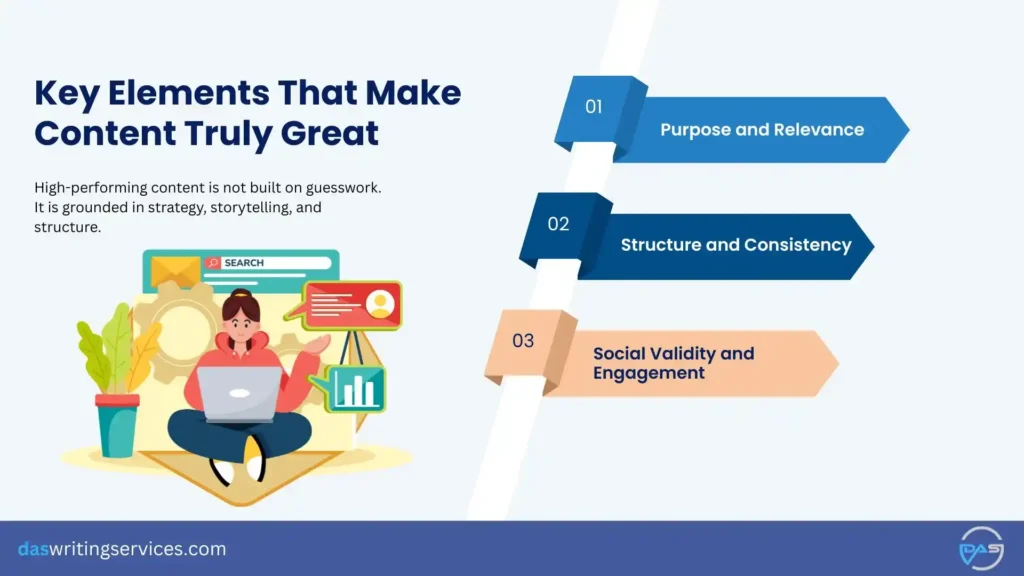
High-performing content is not built on guesswork. It is grounded in strategy, storytelling, and structure. Here is a breakdown of the three key content elements that make communication impactful:
1. Purpose and Relevance
Every piece of content must have a goal – whether to inform, persuade, entertain, or convert. Without clarity of purpose, even the most creative content loses direction. Relevance connects your message to audience intent. In December 2022, Google emphasized E-E-A-T (Experience, Expertise, Authoritativeness, and Trustworthiness) as ranking criteria. It reinforces how crucial relevance is for content.
2. Structure and Consistency
A strong structure gives content personality and direction. It helps readers know what to expect and allows brands to present their ideas with clarity. Well-structured content is easy to scan, logical in flow, and strategically formatted for engagement. Consistency across tone, voice, and format strengthens brand identity and ensures that every content piece feels like part of a unified brand story.
3. Social Validity and Engagement
Engagement is at the heart of effective content. Social validity reflects how your audience interacts, responds, and relates to what you publish. High-performing content does not just attract views; it also sparks conversations, builds trust, and creates communities. Similarly, for businesses, content that drives engagement translates into brand advocacy, repeat traffic, and long-term visibility.
Know More: What Is Unique Content and How to Create It
Why Content is Important in Marketing?
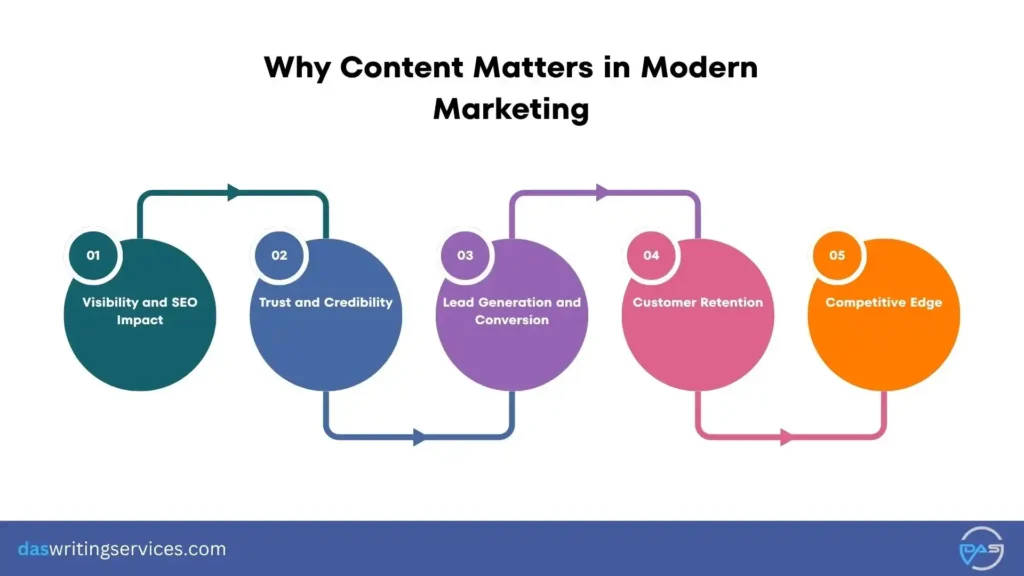
If you have ever wondered why businesses invest heavily in content, the answer is simple: content is the voice of your brand. It educates, persuades, and nurtures leads throughout the customer journey. Knowing what is content helps businesses:
1. Visibility and SEO Impact
Search engines thrive on quality content. The more value your content provides, the better your website ranks. In fact, websites that publish consistent blogs generate 67% more leads monthly.
Read Related Blog: How to Rank Your Website on Google’s First Page
2. Trust and Credibility
Creating authentic and informative content strengthens a brand’s credibility. By sharing valuable insights and resources, brands can foster trust with their audience and position themselves as a reliable authority in the industry.
3. Lead Generation and Conversion
Well-crafted content can guide potential customers through their decision-making process. Content helps to generate leads, build relationships, and encourage conversions more effectively than promotional messaging alone.
4. Customer Retention
Content plays a crucial role in keeping existing customers engaged and connected to your brand. Content keeps existing customers engaged. Beyond attracting new leads, effective content helps maintain ongoing relationships with those who have already made a purchase.
5. Competitive Edge
Consistently producing high-quality content gives brands a competitive advantage. It helps differentiate them from competitors, showcases their expertise, and keeps their business top-of-mind for potential customers.
Want to create content that gives you a competitive edge in the market? Get a sample to experience our expertise

5 Best Practices of Effective Content Creation
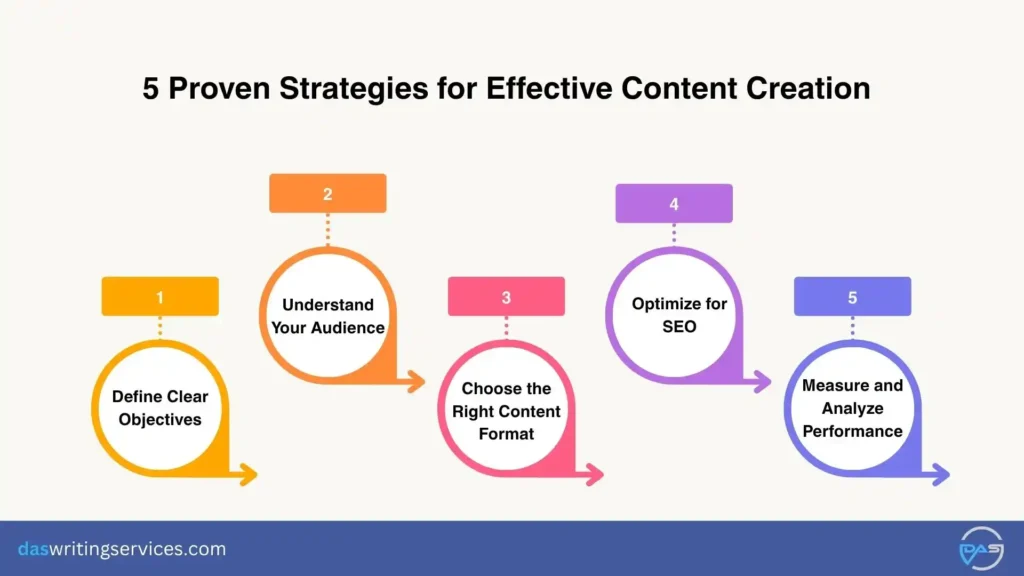
1. Define Clear Objectives
Begin by setting specific, measurable goals for your content. Whether it is increasing brand awareness, generating leads, or enhancing customer engagement. Having clear objectives will guide your content creation process and help measure success.
2. Understand Your Audience
Deeply understand your target audience’s demographics, preferences, pain points, and behaviors. This knowledge allows you to tailor your content to address their needs effectively. Knowing what is content that resonates with your audience ensures relevance and engagement.
3. Choose the Right Content Format
Select content formats that align with your audience’s preferences and your objectives. Options include blog posts, videos, infographics, podcasts, and more. Diversifying formats can help reach a broader audience and cater to different consumption habits..
4. Optimize for SEO
Incorporate SEO best practices into your content creation process. Use relevant keywords, optimize meta tags, and ensure your content is structured for readability. This enhances visibility on search engines and attracts organic traffic.
5. Measure and Analyze Performance
Regularly assess the performance of your content using analytics tools. Monitor metrics like traffic, engagement, and conversion rates to understand what is working and identify areas for improvement. Creating impactful content is a continuous process, and it demands expertise, time, and creativity.
Are you looking to elevate your content marketing performance? Follow the lead of popular brands enhancing their content experience with us.

What are the Trends in Content Marketing in 2025?
As technology evolves, so does the definition and practices of content marketing. In 2025 and beyond, several content marketing trends are shaping the next generation of content creation:
1. Ethical AI and Content Authenticity
As AI-generated content becomes more prevalent, ensuring authenticity and ethical standards is paramount. Companies are focusing on implementing ethical AI practices to maintain transparency, avoid misinformation, and uphold trust with their audiences.
This includes clear disclosures about AI-generated content and adherence to ethical guidelines in content creation.
2. Interactive and Immersive Formats
Virtual Reality (VR) and Augmented Reality (AR) are transforming storytelling by offering immersive experiences that engage users in novel ways. According to Siege Media, 44.4% of marketers are already using interactive and immersive content and report higher success.
3. Voice Search Optimization
With the increasing use of voice-activated devices, optimizing content for voice search is becoming crucial. Marketers are focusing on natural language processing to ensure their content is discoverable through voice queries. It aligns with the growing trend of conversational search.
4. User-Generated Content as Social Proof
User Generated Content (UGC) continues to be a powerful tool for building credibility. As per the report, user generated content accounts for a 29% higher conversion rate. Brands are encouraging customers to share their experiences, leveraging authentic content to influence potential buyers and enhance brand trust.
5. Short-Form Video Content
Platforms like TikTok, Instagram Reels, and YouTube Shorts are leading the way in short-form video content. These platforms are ideal for delivering quick, impactful messages that capture the audience’s attention and drive engagement.
6. Humanized Storytelling with Authenticity
Audiences are increasingly seeking authentic and relatable content. Brands are focusing on humanized storytelling that highlights real experiences, challenges, and successes. It fosters a deeper connection with their audience.
The future of content is dynamic, data-powered, and deeply personal. Brands that understand what is content remain competitive, relevant, and engaging.
Know More: All Round Content Marketing Guide to Increase Organic Visibility
Takeaway
To sum it up, content is not merely text or visuals. It is the bridge between your brand and your audience, built on insight, creativity, and trust. Understanding what is content, its types, and its strategic role in marketing empowers businesses to create communication that converts awareness into action. In 2025, content is both your foundation and your differentiator.
Frequently Asked Questions
1. How does content improve SEO?
Search engines favor high-quality, relevant, and consistent content. Optimized content with targeted keywords, meta tags, and proper structure improves rankings, increases organic traffic, and generates leads.
2. What makes content high-performing?
High-performing content has a clear purpose, relevance to the audience, a structured format, consistency in tone, and encourages engagement. It combines strategy, storytelling, and data-driven insights to achieve marketing goals.
3. Should businesses rely solely on written content?
No. While written content is essential for SEO and thought leadership, a balanced content strategy is important for businesses. It includes visual, video, audio, and interactive formats to cater to diverse audience preferences and maximize engagement across platforms.

Subhodip Das is the founder and CEO of Das Writing Services Pvt. Ltd. He has an experience of 12 years in the field of Digital Marketing and specialises in Content Writing and Marketing Strategies. He has worked with well-established organisations and startups helping them achieve increased Search Engine Rank visibility. If you want to grow your business online, you can reach out to him here.

Leave a comment